25
(APTR) Aperture Finance Airdrop: Complete Guide, Claim Details & Tokenomics
Quick Summary
- The initial Aperture Finance (APTR) airdrop was distributed on May 31, 2024. If you missed this window, the primary distribution phase is closed.
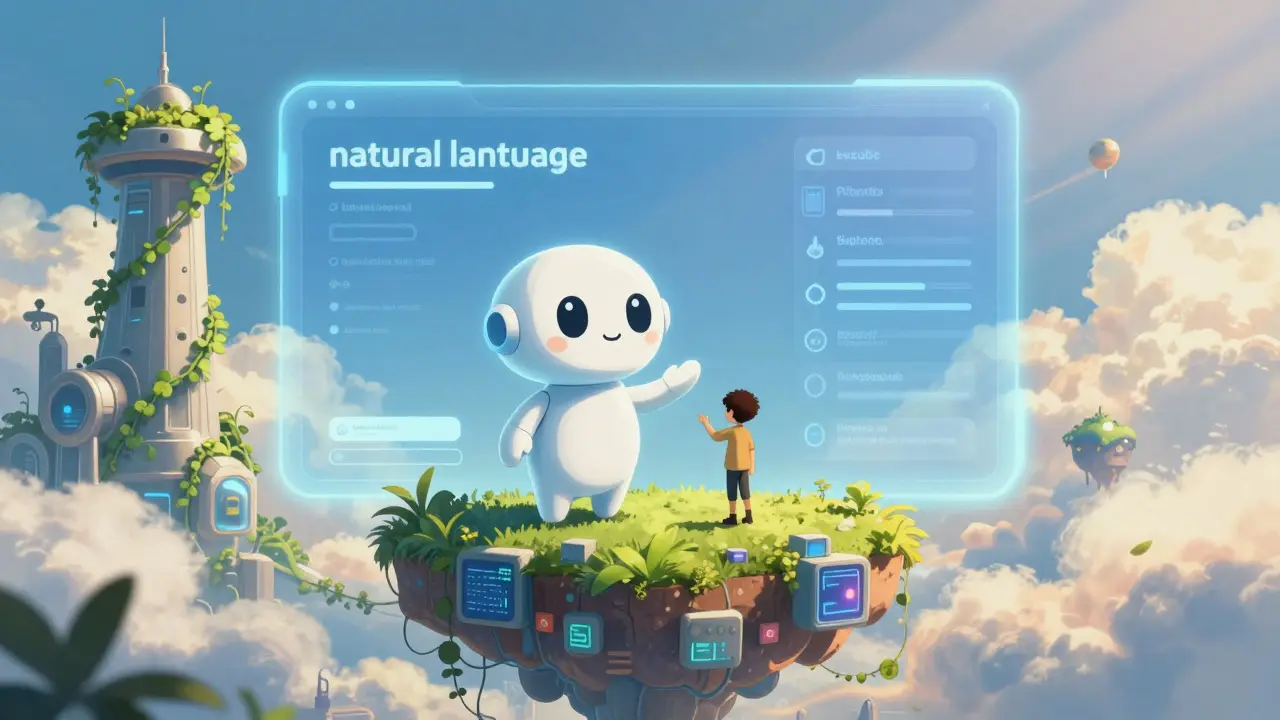
- Aperture Finance is a DeFi protocol using an Intents-based architecture and natural language chatbots to execute complex trades on the Arbitrum network.
- Eligibility for the past airdrop depended on accumulating points through platform engagement, social tasks, and wallet connections.
- Future opportunities may exist through their UniV3 Private Beta program, offering up to 66,666 APTR tokens for active liquidity providers.
- Tokenomics include a total supply split with 7% allocated to the community airdrop, while investor tokens have vesting periods ranging from 18 to 24 months.
You might be searching for the Aperture Finance airdrop because you heard rumors of free tokens or saw a spike in social media activity. Here is the hard truth first: the main airdrop campaign for the APTR token has already concluded. The distribution happened on May 31, 2024. If you are looking to claim tokens right now, you likely cannot do so through the original mechanism. However, understanding what happened, how the protocol works, and where the next opportunities lie is crucial if you want to participate in this ecosystem going forward.
Let’s break down exactly what Aperture Finance is, why it generated such hype, and whether there is still value in engaging with the platform today.
What Is Aperture Finance?
To understand the airdrop, you first need to understand the product. Aperture Finance is a decentralized finance protocol that simplifies trading through natural language commands and an underlying solver network. It operates primarily on the Arbitrum network, a Layer 2 scaling solution for Ethereum.
Most DeFi platforms require you to manually set slippage tolerance, approve contracts, and pick exact prices. Aperture tries to remove that friction. You tell the bot what you want-like "swap my ETH for USDC at the best price"-and its "Intents" infrastructure finds the best execution path across various liquidity sources. This is different from standard automated market makers (AMMs) like Uniswap, where you interact directly with a pool. Here, solvers compete to fulfill your intent, theoretically giving you better rates.
This technology stack is why the project attracted significant attention. It bridges the gap between complex financial operations and user-friendly interfaces. For the average crypto user, this means fewer errors and potentially higher returns on swaps and liquidity provision.
Airdrop Distribution Facts: What Happened?
The core event you are asking about is the token distribution. Here are the specific details of the campaign that took place:
- Distribution Date: May 31, 2024, at 10:00 UTC.
- Token Symbol: APTR.
- Network: Arbitrum (ERC-20 compatible).
- Total Allocation: 7% of the total APTR token supply was reserved for the airdrop.
- Unlock Status: 100% unlocked immediately upon distribution. There were no vesting cliffs for airdrop recipients.
If you were eligible, the process was straightforward. You visited the official claim page, connected your wallet, signed a message to verify eligibility, switched your network to Arbitrum, and clicked "Claim." The system automatically calculated your reward based on the points you had accumulated during the campaign period. These points came from activities like connecting wallets, following social accounts, and early testing of the platform.
Since that date has passed, the claim portal is no longer active for new users. Any website currently asking you to connect your wallet to "claim pending APTR tokens" is likely a scam. Always verify dates against official announcements.

Tokenomics and Funding Structure
Understanding the money behind the project helps you gauge its stability. Aperture Finance raised funds through several rounds before the public launch. The structure shows a balance between rewarding early believers and retaining control for development.
| Round Type | Price per Token | Amount Raised | Valuation | Vesting Schedule |
|---|---|---|---|---|
| Seed Round | $0.015 | $1.8 million | $15 million | 5% at TGE, 6-month cliff, 24-month vesting |
| Strategic Round | $0.035 | $3.5 million | $35 million | 5% at TGE, 3-month cliff, 18-month vesting |
| Public Round | $0.045 | $585,000 | $45 million | 100% unlocked immediately |
| Airdrop Allocation | N/A (Free) | N/A | N/A | 100% unlocked immediately |
Note the difference in vesting. Investors who bought in at the seed stage had to wait six months before they could sell any tokens, followed by a two-year gradual release. Airdrop recipients, however, got their tokens instantly. This creates immediate selling pressure from the community but aligns long-term incentives for the team and investors.
In total, the project secured around $430,000 in direct funding through these mechanisms, plus additional capital from later stages not detailed here. This backing suggests the team has resources to continue developing the Intents infrastructure.
Is There Still a Way to Earn APTR?
Just because the big airdrop is over doesn’t mean the doors are shut. Aperture Finance continues to incentivize usage, particularly for advanced users who provide liquidity. The most notable current opportunity is the Uniswap V3 Private Beta Program.
This program targets users who already know how to manage liquidity positions on Uniswap V3. Aperture offers tools to automate this difficult process. Instead of manually rebalancing your position when prices move out of range, Aperture’s bots can handle it for you. In exchange for using these tools and locking up liquidity, participants can earn APTR rewards.
Here is what the potential earnings look like:
- Liquidity Providers: Can earn up to 66,666 APTR tokens (valued at approximately $10,000 at peak predictions) through active engagement.
- Referral Program: You receive 25% of the airdrop allocation of anyone you refer, capped at 16,666 APTR tokens (approx. $2,500).
- Content Creators: High-quality educational content about LP strategies can earn 3,333 APTR tokens (approx. $500).
This shifts the model from "free money for clicking buttons" to "rewarded labor for providing value." If you have capital to deploy as liquidity and the technical knowledge to manage risk, this is the current path to acquiring APTR.
Price Predictions and Market Outlook
Speculation around APTR has been intense. Analysts at CoinLore and other platforms have projected significant growth, though you should always treat these numbers with skepticism. Crypto markets are volatile, and predictions are rarely accurate.
For context, some optimistic models suggested a target of $0.0720 by 2025, which would represent a massive percentage increase from initial trading levels. Long-term projections extending to 2030 have even mentioned figures like $0.1762. These estimates assume successful adoption of the Intents technology and widespread integration with major DeFi protocols.
However, remember that the token faces selling pressure from vested investors once their cliffs expire. The seed round investors, for example, began unlocking tokens after their 6-month cliff. This influx of supply can dampen price action if demand isn't strong enough to absorb it.

Risks and Considerations
Before you dive into the Liquidity Provider program or buy APTR on the open market, consider these risks:
- Impermanent Loss: Providing liquidity on Uniswap V3 carries the risk of impermanent loss. If the price of one asset changes significantly compared to the other, you may end up with less value than if you had just held the assets in your wallet. Aperture’s automation helps manage ranges, but it doesn’t eliminate market risk.
- Smart Contract Risk: Like all DeFi protocols, Aperture relies on smart contracts. Bugs or exploits could lead to loss of funds. While audits are standard, they are not guarantees.
- Regulatory Uncertainty: The regulatory landscape for DeFi and token distributions is evolving. Changes in laws could impact how protocols operate or how tokens are classified.
- Scams: Since the official airdrop ended, phishing sites claiming to offer "late claims" are common. Never sign transactions on unknown sites. Always use links from the official Aperture Finance Twitter or Discord.
How to Stay Safe and Engaged
If you want to participate in the Aperture ecosystem, follow these steps:
- Join Official Channels: Follow their verified Telegram and Discord communities. This is where real updates happen, not on random Twitter threads.
- Use Hardware Wallets: When interacting with DeFi protocols, use a hardware wallet like Ledger or Trezor. Avoid keeping large amounts of funds in hot wallets like MetaMask for daily interaction.
- Start Small: If you decide to provide liquidity, start with an amount you can afford to lose. Learn how the rebalancing tools work without risking your entire portfolio.
- Verify Contracts: Check the official APTR token contract address on Etherscan or Arbiscan before buying or swapping. Ensure you are interacting with the legitimate token.
Conclusion
The Aperture Finance airdrop was a one-time event that concluded in May 2024. While you cannot claim those retroactive rewards, the protocol remains active and offers alternative ways to earn APTR through liquidity provision and referrals. The shift from simple click-to-earn airdrops to utility-based rewards reflects a maturing DeFi landscape. Whether APTR reaches the lofty price predictions depends on its ability to deliver on its promise of simplified, intent-based trading. Do your own research, manage your risks, and stay engaged with the official community channels.
When did the Aperture Finance airdrop end?
The main Aperture Finance airdrop distribution was completed on May 31, 2024, at 10:00 UTC. Eligible users received their APTR tokens on this date.
Can I still claim APTR tokens if I missed the airdrop?
No, the initial airdrop claim period is closed. However, you can acquire APTR by buying it on exchanges or earning it through the Uniswap V3 Liquidity Provider program and referral bonuses.
What blockchain is APTR on?
APTR is an ERC-20 token deployed on the Arbitrum network, which is a Layer 2 scaling solution for Ethereum.
How much of the total supply was given away in the airdrop?
7% of the total APTR token supply was allocated to the community airdrop. These tokens were 100% unlocked immediately upon distribution.
Is Aperture Finance safe to use?
Like all DeFi protocols, Aperture Finance carries risks including smart contract vulnerabilities and market volatility. Always use hardware wallets, verify contract addresses, and never invest more than you can afford to lose.









Ryan Peters
June 25, 2026 AT 17:42Another day, another American-made DeFi protocol getting dissected by clueless retail traders who think 'intents' is a personality trait. The fact that the seed investors are locked up for 24 months while we get to gamble on their exit liquidity is just classic Wall Street playbook stuff disguised as blockchain innovation. You guys really think natural language processing fixes the fundamental flaw of centralized control? Please.
ross harris
June 27, 2026 AT 01:29The architecture of Aperture is not merely a tool; it is a mirror reflecting our collective desire for frictionless existence in a world defined by resistance. We speak to the machine, and the machine speaks back with profit or loss, a dialectic of capital. To miss the airdrop is to miss the moment where intent became action without the burden of manual execution. It is existential dread wrapped in an ERC-20 token. The vesting schedules are not financial constraints but temporal prisons for the greedy, forcing them to wait while the free spirits of the community dance in the unlocked fields of immediate gratification.
Carl Belgrave
June 27, 2026 AT 01:46I don't care about your fancy intents or your chatbots if you can't secure the bag like a real patriot. This whole Arbitrum thing is just another layer of complexity designed to confuse people who actually work for a living. If you have to read a guide to understand how to swap ETH for USDC, you're already behind. Get off your phone, go outside, and stop trying to game the system with these so-called 'private beta' programs. Real value comes from hard work, not clicking buttons on a website that might rug pull next week.
Carl Hanzel
June 27, 2026 AT 21:45You all are missing the point entirely. The airdrop wasn't about the money; it was about the validation of your participation in a digital cult. Now that the door is closed, you are left with the hollow echo of what could have been. I find it amusing that you cling to these price predictions like life rafts in a storm you created yourselves. The impermanent loss isn't a risk; it's a punishment for your greed. Enjoy your liquidity provision, knowing you are just fuel for the fire that burns brighter for those who held the tokens before you arrived.
Daniel J. Cox
June 28, 2026 AT 11:22Hey folks, just wanted to say that this looks like a pretty cool project from down under! :) I've been watching the DeFi space evolve, and the idea of using natural language to execute trades is super intuitive. It reminds me of how we used to talk about stock tips at the pub, but now it's automated. Good luck to everyone participating in the LP program, stay safe out there! :)
Emma Rémond
June 29, 2026 AT 23:38It is frankly embarrassing to see the level of discourse surrounding such a rudimentary concept as solver networks. The notion that one requires a 'guide' to understand basic tokenomics suggests a profound lack of financial literacy among the general populace. The 7% allocation is a pittance compared to the strategic rounds, yet here we are, obsessing over crumbs. One must possess a certain intellectual rigor to appreciate the nuances of vesting cliffs and liquidity depth. Do not mistake accessibility for simplicity; they are not synonymous. Your ignorance is showing.
ELNORA JEFFERSON
June 30, 2026 AT 15:59Boring. Another airdrop post. Everyone missed it anyway. Why am I reading this?
Carol @minaszilda
July 1, 2026 AT 17:24Let's remember that every ending is a new beginning. While the initial airdrop has concluded, the opportunity to engage with the protocol remains open for those willing to learn. Providing liquidity is a way to support the ecosystem while potentially earning rewards. Take it slow, do your research, and be kind to yourself if you make mistakes. We are all learning together in this vast digital landscape.
Trent Erman1
July 2, 2026 AT 17:56This is huge news for the Arbitrum ecosystem! 🚀 The shift towards intent-based trading is going to change everything. Imagine telling your bot to 'buy low and sell high' and having it actually work efficiently across multiple pools. That's the future of DeFi! Don't let the fact that the main airdrop ended discourage you. The UniV3 Private Beta is still active, and those rewards are substantial. Let's keep pushing forward and building wealth together! 💪📈
Fiona Ellis
July 3, 2026 AT 10:32I noticed you mentioned hardware wallets, which is excellent advice. However, I feel compelled to ask: are you truly securing your private keys offline? Many users claim to use Ledger devices but leave their recovery phrases in cloud notes. 😬 Please ensure your security practices are impeccable. Also, have you considered the environmental impact of the underlying Ethereum network despite Layer 2 solutions? It’s something worth pondering while you chase those APTR tokens. 🌍💸
Nicole Woessner
July 4, 2026 AT 07:32i think the referral program is interesting. 25% of someone else's airdrop is pretty good incentive. i usually share links with friends who are into crypto anyway so why not earn some extra tokens. just make sure they are legit users though because scams are everywhere right now. gotta be careful out there
Jon Milton
July 5, 2026 AT 08:30Look, I get the frustration about missing the boat, but let's not throw stones when we live in glass houses. The technology here is genuinely innovative. Intents-based architecture reduces slippage and improves execution quality, which benefits everyone in the long run. Instead of complaining about the past, let's focus on how we can utilize the current tools to maximize our returns. Peace and prosperity to all who engage responsibly.
Sajjad Ghorbani Moghaddam
July 5, 2026 AT 21:13If anyone is struggling with the Uniswap V3 interface, I can help explain how the ranges work. It's tricky at first, but once you get the hang of it, it's manageable. Just start with a small amount so you don't lose too much if you mess up. No pressure, just sharing knowledge.
Rebecca Shoniker
July 7, 2026 AT 11:10The sheer audacity of expecting free tokens without understanding the underlying mechanics is astounding!! One must comprehend the intricacies of liquidity provision before attempting to participate!!! Impermanent loss is not a suggestion; it is a mathematical certainty in volatile markets!!! Educate yourselves before risking capital!!!
Jay Sharma
July 9, 2026 AT 03:07They tell you the airdrop is over, but I bet the insiders are still distributing tokens through secret channels. The 'private beta' is just a cover for early access for the chosen few. Wake up sheeple! The smart contracts are likely backdoored. I saw a pattern in the transaction hashes that confirms my suspicion. They are harvesting our data for a larger surveillance state initiative. Don't connect your wallet unless you want to be tracked.
Scott Miller
July 11, 2026 AT 00:32Come on people! Don't let a missed deadline stop you from achieving greatness! The market doesn't care about your excuses. If you want APTR, you put in the work. Provide liquidity, refer friends, create content. Success is earned, not given. Stop whining and start grinding! You have the power to shape your financial destiny right now!
Abby Martin
July 12, 2026 AT 16:07It is morally questionable to promote a platform that relies on complex mechanisms that average users cannot fully grasp. The disparity between the seed investor valuation and the public round is glaring. It feels like a setup for the little guy to take the fall when the big players exit. I refuse to participate in a system that exploits information asymmetry. Stay pure, stay skeptical.
Mélanie Boulay
July 13, 2026 AT 09:41I have taken the time to review the comprehensive documentation provided by Aperture Finance, and while I appreciate the detailed breakdown of the tokenomics, I find myself concerned about the long-term sustainability of the incentives offered to liquidity providers, particularly given the potential for significant impermanent loss in highly volatile market conditions, which could ultimately deter participation and reduce the overall depth of the liquidity pools, thereby affecting the efficiency of the intent resolution process.
Maurice Flynn
July 14, 2026 AT 01:43Just observing the chaos from the sidelines. People are so eager to jump on any bandwagon labeled 'DeFi'. The philosophy of decentralization is often lost in the pursuit of quick gains. But hey, if you believe in the tech, go for it. I'll be here watching the history unfold, calm and collected. Knowledge is power, after all.
nancy jarecki
July 15, 2026 AT 06:50How tedious. Another article explaining the obvious to the masses. The jargon-heavy explanation of 'solver networks' is laughable when one considers the basic economic principles at play. Only the elite understand the true value of such protocols. The rest of you are merely participants in a spectacle designed for your amusement and exploitation. Pathetic.
Robert Hundley
July 16, 2026 AT 02:56Yo! This sounds like a blast! 🎉 Who's ready to dive into the liquidity pool? I'm thinking of setting up a position on ETH/USDC. Let's make some moves! Remember to have fun and not stress too much about the numbers. Crypto is wild, embrace the ride! 🚀😎
Melissa L
July 17, 2026 AT 11:14i dont get it why did i miss it again. maybe i should try the referrral thing. hope its not a scam tho. lots of scams lately. wish i knew more about this stuff