6
Midnight (NIGHT) Airdrop: Glacier Drop Details, Eligibility & Claiming Guide
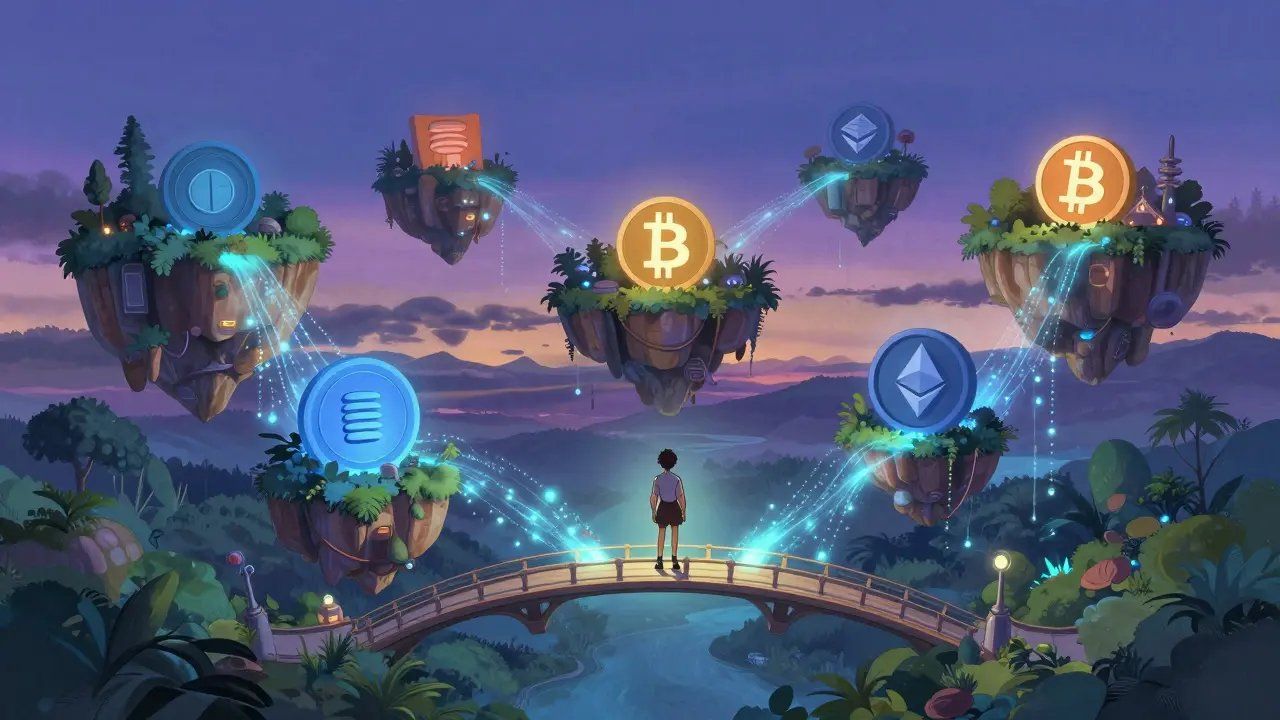
Imagine waking up to find billions of dollars worth of new cryptocurrency tokens sitting in your wallet. For millions of crypto holders across eight major blockchains, this wasn't just a dream-it was the reality of the Midnight (NIGHT) airdrop, also known as the Glacier Drop. This massive distribution event marked one of the largest token launches in history, handing out 24 billion NIGHT tokens to eligible addresses. But unlike typical airdrops that vanish into thin air or get dumped immediately, this initiative was designed with long-term network health in mind.
If you missed the initial claim window, you might be wondering if there’s still a way to participate. The short answer is yes, but the game has changed. Understanding how the Midnight Network structured this distribution requires looking beyond simple free money and diving into the mechanics of cross-chain eligibility, cryptographic proofs, and innovative vesting schedules. Let’s break down exactly what happened, who qualified, and where things stand now.
What Is the Midnight Network?
To understand the airdrop, you first need to understand the project behind it. Midnight Network is a privacy-centric sidechain built on the Cardano ecosystem. Founded by Charles Hoskinson, the same visionary behind Cardano, Midnight aims to solve a critical problem in blockchain technology: the tension between utility and privacy. Traditional blockchains like Bitcoin and Ethereum are fully transparent, meaning anyone can see your transaction history. While this transparency builds trust, it limits real-world applications where data protection is crucial.
Midnight introduces "rational privacy." It uses advanced cryptography to allow users to choose what information they share and with whom. This isn’t about hiding illegal activity; it’s about enabling compliant, private transactions for businesses and individuals alike. The native utility token, NIGHT, powers this ecosystem, while a secondary token called DUST handles transaction fees. This dual-token model is central to the network's economic design.
The Glacier Drop: Scale and Scope
The Glacier Drop distributed 24 billion NIGHT tokens, representing the entire genesis mint of the token. This wasn’t a random giveaway. It was a strategic move to bootstrap a decentralized privacy network by incentivizing early participation from a broad base of crypto users. The distribution targeted holders across eight major blockchain ecosystems:
- Bitcoin (BTC)
- Ethereum (ETH)
- Ripple (XRP)
- Solana (SOL)
- Avalanche (AVAX)
- BNB Chain (BNB)
- Brave (BAT)
- Cardano (ADA)
This cross-chain approach was rare. Most airdrops stick to their own ecosystem. By reaching out to these diverse networks, Midnight aimed to build a community that valued privacy regardless of their primary blockchain allegiance. The snapshot date for eligibility was June 11, 2025. At that specific moment, wallets holding at least $100 worth of native assets on any of these chains were flagged as eligible. This dollar-based threshold filtered out dust accounts and bots while remaining accessible to genuine retail investors.
Eligibility Allocation: Who Got What?
The distribution wasn’t equal across all chains. Midnight prioritized its home ecosystem while rewarding broader crypto adoption. Here’s how the 24 billion tokens were split:
| Blockchain Ecosystem | Allocation Percentage | Token Amount |
|---|---|---|
| Cardano (ADA) | 50% | 12 Billion |
| Bitcoin (BTC) | 20% | 4.8 Billion |
| Other Chains (ETH, XRP, SOL, AVAX, BNB, BAT) | 30% (Shared Proportionally) | 7.2 Billion |
Cardano holders received half the supply, reflecting Midnight’s deep technical integration as a Cardano sidechain. Bitcoin holders got the next largest slice. The remaining 30% was shared among the other six chains based on the US-dollar value of holdings at snapshot time. If you held crypto on multiple eligible chains, you could potentially claim allocations from each, significantly boosting your total reward.
How the Claiming Process Worked
Claiming NIGHT tokens required more than just clicking a button. The process involved two cryptographic proofs to ensure security and prevent Sybil attacks. First, users had to connect their wallet to the official portal at midnight.gd or midnight.network. Then, they signed a message proving custody of their private keys without moving funds. Finally, they provided a fresh, unused Cardano wallet address to receive the tokens.
This self-custody requirement excluded users storing assets on centralized exchanges like Coinbase or Binance. Unless an exchange explicitly supported the airdrop-which most didn’t-those users missed out. Supported wallets included Eternl, Lace, Yoroi, and MetaMask. The 60-day claiming window opened in July-August 2025 and closed strictly on October 4, 2025. As of today, May 6, 2026, that window is firmly shut.
Vesting Schedule: No Immediate Dumping
One of the most distinctive features of the Midnight airdrop was its vesting schedule. Unlike many airdrops that grant immediate liquidity, NIGHT tokens were locked via a Cardano smart contract. They unlock in four equal phases over 360 days after the Midnight mainnet launch. Each phase releases 25% of the total allocation every 90 days.
The timing of each unlock is randomized within the 360-day window. This "gradual thawing" prevents coordinated selling events that could crash the token price. It encourages holders to stay engaged with the network, participating in governance, block production, and application building rather than cashing out immediately. This long-term approach signals Midnight’s commitment to sustainable growth over short-term speculation.
Missed the Glacier Drop? Next Steps
If you didn’t claim your tokens by October 4, 2025, don’t panic. Unclaimed NIGHT tokens didn’t disappear. They rolled into Phase Two, called the "Scavenger Mine." In this phase, participants solve public-good computational puzzles to earn a share of the remaining allocation. This mining-like mechanism serves dual purposes: distributing unclaimed tokens to engaged community members and bootstrapping essential network resources through useful computation.
Whatever tokens survive the Scavenger Mine become the bounty for Phase Three, termed "Lost-and-Found." This final recovery opportunity opens after the mainnet launch for users who missed earlier phases. This three-phase structure ensures the entire 24 billion token supply eventually enters circulation through community participation, avoiding central control or wasted resources.
Key Takeaways for Future Participation
The Midnight Glacier Drop set a new standard for large-scale, multi-chain airdrops. Its emphasis on algorithmic transparency, self-custody verification, and long-term vesting offers valuable lessons for future projects. For users, it highlights the importance of monitoring official announcements, maintaining self-custody wallets, and understanding complex claim processes. While the initial window has passed, the Scavenger Mine and Lost-and-Found phases keep the door open for those willing to engage with the network’s infrastructure.
Can I still claim my NIGHT tokens from the Glacier Drop?
No. The primary claiming window for the Glacier Drop closed on October 4, 2025. However, unclaimed tokens have moved to the Scavenger Mine phase, where you can earn them by solving computational puzzles.
Why did Cardano holders get 50% of the NIGHT tokens?
Midnight Network is a sidechain built on the Cardano ecosystem. The preferential allocation acknowledges this deep technical integration and incentivizes the existing Cardano community to become early adopters and validators of the privacy network.
Do I need a Cardano wallet to claim NIGHT tokens?
Yes. Even if you held crypto on Bitcoin or Ethereum, you needed to provide a fresh, unused Cardano wallet address to receive the NIGHT tokens. This is because Midnight operates as a Cardano sidechain.
When will my NIGHT tokens unlock?
Tokens unlock in four phases over 360 days after the Midnight mainnet launch. Each phase releases 25% of your allocation every 90 days. The exact timing of each unlock is randomized to prevent coordinated selling.
What happens if I miss the Scavenger Mine phase?
Unclaimed tokens from the Scavenger Mine roll into Phase Three, called "Lost-and-Found." This provides a final recovery opportunity after the mainnet launch for users who missed earlier distribution phases.