Bitcoin Mining Friendly: Where and Why It Still Works in 2025
When we talk about Bitcoin mining friendly, regions or countries where legal, economic, and infrastructure conditions make Bitcoin mining viable and profitable. It’s not just about cheap electricity—it’s about stability, clarity, and access. In 2025, the idea of mining Bitcoin anywhere isn’t dead. It’s just gotten smarter. You can’t just plug in a rig in your garage anymore and expect to break even. The game has shifted to places where power is cheap, laws are clear, and the grid won’t cut you off mid-hash.
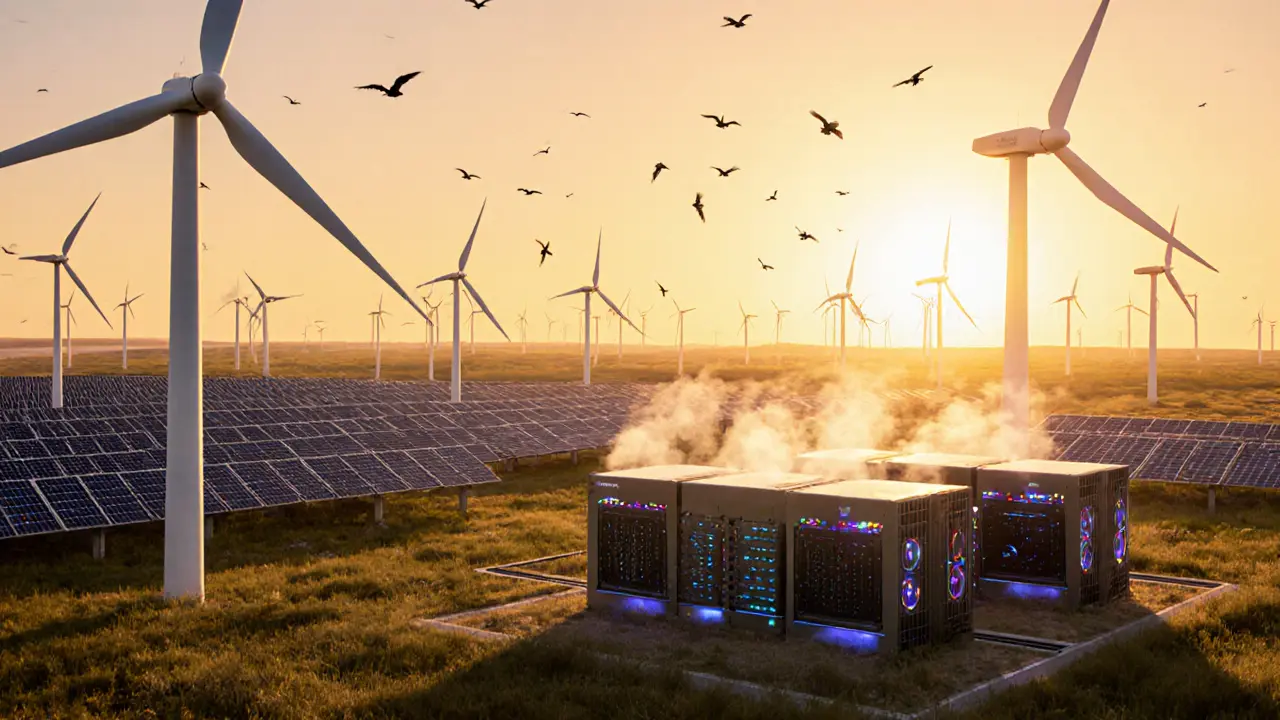
That’s why energy costs, the single biggest factor determining if a Bitcoin mining operation survives or shuts down matter more than ever. Places like Texas, Georgia, and Kazakhstan still lead because they have surplus power—often from wind, hydro, or natural gas that would otherwise go to waste. Meanwhile, countries like Iran have turned mining into a sanctioned workaround for sanctions, using state-backed power plants to turn electricity into Bitcoin. It’s not magic. It’s math: if your kilowatt-hour costs less than $0.03, you’re in the game. If it’s above $0.08, you’re just burning cash.
mining regulations, the legal framework that either enables or blocks mining operations at a national level is the new gatekeeper. Some places, like Saudi Arabia and El Salvador, are actively courting miners with tax breaks and renewable energy deals. Others, like China, banned it outright in 2021 and still enforce it. Even in the U.S., state rules vary wildly—some cities ban mining outright over grid strain, while others offer incentives for using stranded energy. The ones winning now aren’t the biggest rigs—they’re the ones that stayed compliant, adapted fast, and kept their power contracts locked in.
And don’t forget the hardware. Even in a Bitcoin mining friendly environment, outdated ASICs are dead weight. The latest models from MicroBT and Bitmain cut power use by 40% compared to three years ago. If you’re still running old S19s or worse, you’re not mining—you’re paying to heat your building. The best miners today aren’t just running machines. They’re running energy audits, negotiating long-term power deals, and tracking regulatory changes like stock prices.
What you’ll find in the posts below aren’t theory pieces or hype lists. These are real cases: how Iran uses mining to bypass sanctions, why Texas became the new mining hub after China’s ban, and which exchanges and tools miners actually rely on to stay profitable. No fluff. No promises of quick riches. Just what’s working now, where, and why.
9
Crypto Mining-Friendly Countries Ranking 2025: Top Destinations for Legitimate Operations
Discover the top crypto mining countries in 2025 based on regulation, energy costs, and tax policies. Learn where it's safe, legal, and profitable to mine Bitcoin and other cryptocurrencies.
Latest Posts



Popular Posts
-
 Are Crypto Payments Allowed in China? The 2026 Ban Explained
-
 Bitrump Crypto Exchange Review: Is It Legit in 2026?
-
 Moving Crypto Abroad from India in 2026: Legal Rules, Taxes & Compliance Guide
-
 Bleutrade Review 2026: Is It Safe or a Scam?
-
 FATF Travel Rule: Global Crypto Compliance Status and Impact in 2026