Play-to-Earn Crypto: How Blockchain Games Pay You to Play
When you hear play-to-earn crypto, a model where players earn cryptocurrency by participating in blockchain-based games. Also known as P2E, it turns gaming from a hobby into a potential income stream. This isn’t fantasy. People in the Philippines, Nigeria, and Indonesia play games like Axie Infinity and StepN just to cover daily expenses. The core idea is simple: spend time, earn tokens. But not all P2E projects are created equal.
Behind every P2E token, a cryptocurrency earned through gameplay and often used to buy in-game items or trade on exchanges is a game built on blockchain—usually Ethereum, BSC, or Solana. These tokens have real value because they’re tied to in-game economies: you might earn them by winning matches, completing quests, or even just logging in daily. But here’s the catch: if no one wants to buy your tokens, they’re worth nothing. Many early P2E games collapsed because they were ponzi-like—paying early players with money from new ones, not real revenue.
Web3 gaming, a category of games where players truly own digital assets as NFTs or tokens, not just licensed items is what keeps the space alive today. Unlike old mobile games where your progress vanished when you deleted the app, Web3 games let you sell your sword, land, or pet on open markets. Projects like The Sandbox and Gala Games let you build, trade, and even rent out your digital assets. But you still need to know what you’re getting into. Some games require expensive NFTs to start. Others have token inflation so bad your daily earnings drop by half in weeks.
Real play-to-earn crypto isn’t about getting rich overnight. It’s about finding games with sustainable economies, active communities, and real utility for their tokens. Look for projects that earn money from outside sources—like advertisers, licensing deals, or player fees—not just new players buying in. Check if the token is listed on real exchanges, not just obscure DEXs. And always ask: does this game actually feel fun, or is it just a job in disguise?
The posts below show you exactly what’s working in 2025 and what’s dead. You’ll find reviews of actual games paying out, breakdowns of token economics, and warnings about scams hiding behind the P2E label. No fluff. Just what you need to know before you click play.
24
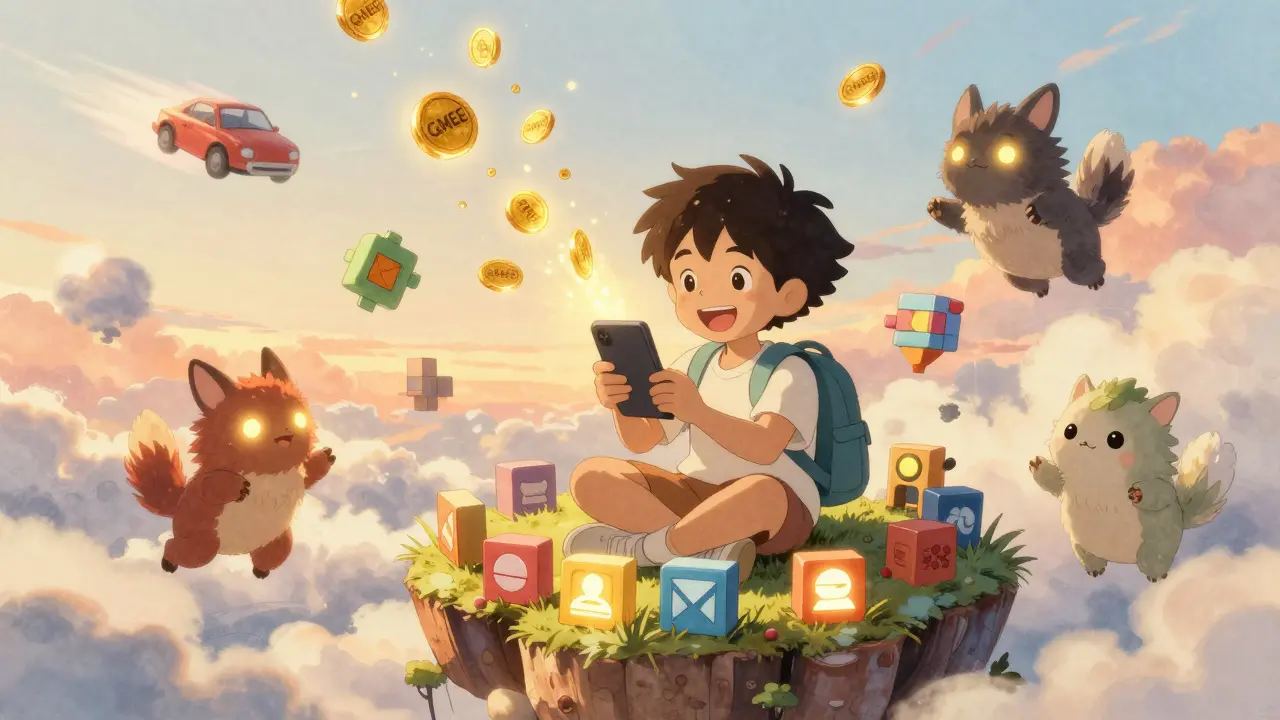
What is GAMEE (GMEE) crypto coin? A clear breakdown of the gaming token and how it works
GAMEE (GMEE) is a crypto token powering a mobile gaming platform with over 100 million users. Earn tokens by playing casual games, not by investing. Here's how it works, what it's worth, and if it's worth your time.
9
GMEE Airdrop by GAMEE: How It Worked and What’s Next with WATCoin
The GMEE airdrop by GAMEE ended in 2024, but its successor, WATCoin, is now live on Telegram with free tokens for playing casual games. Learn how both tokens work, why the shift happened, and how to earn WATCoin today.