11
Why Iceland Is Cutting Power to Crypto Miners: The Energy Crisis Explained
For years, Iceland was the gold standard for cryptocurrency miners. You had cheap, green power from volcanoes and waterfalls, a cold climate that saved money on cooling servers, and a government that mostly looked the other way. But by 2025, that party was over. If you tried to start a new mining farm in Reykjavík last year, you likely hit a wall. Not because of a ban, but because there simply wasn’t enough electricity left to go around.
This isn't just a minor hiccup; it's a structural shift. Cryptocurrency mining is a process where powerful computers solve complex mathematical problems to validate transactions and secure blockchain networks. In Iceland, this industry grew so fast it started choking out other priorities. By 2023, miners were guzzling about 8% of the nation’s total energy output. That might sound small until you realize Iceland has a population of only 380,000 people. When a single industry consumes nearly one-tenth of a country’s entire power supply, politics changes.
The Hard Cap on Renewable Energy
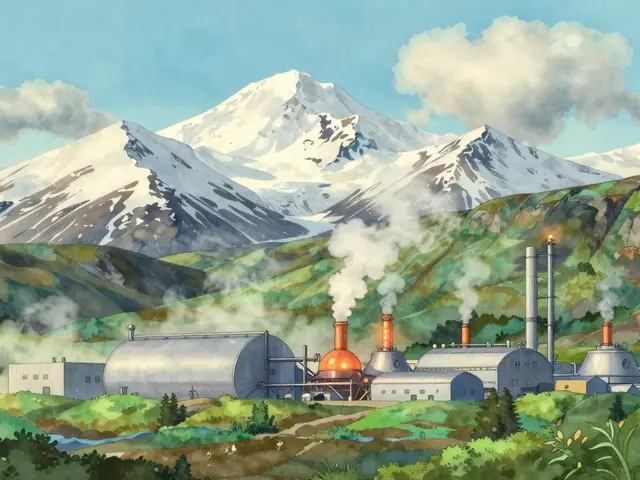
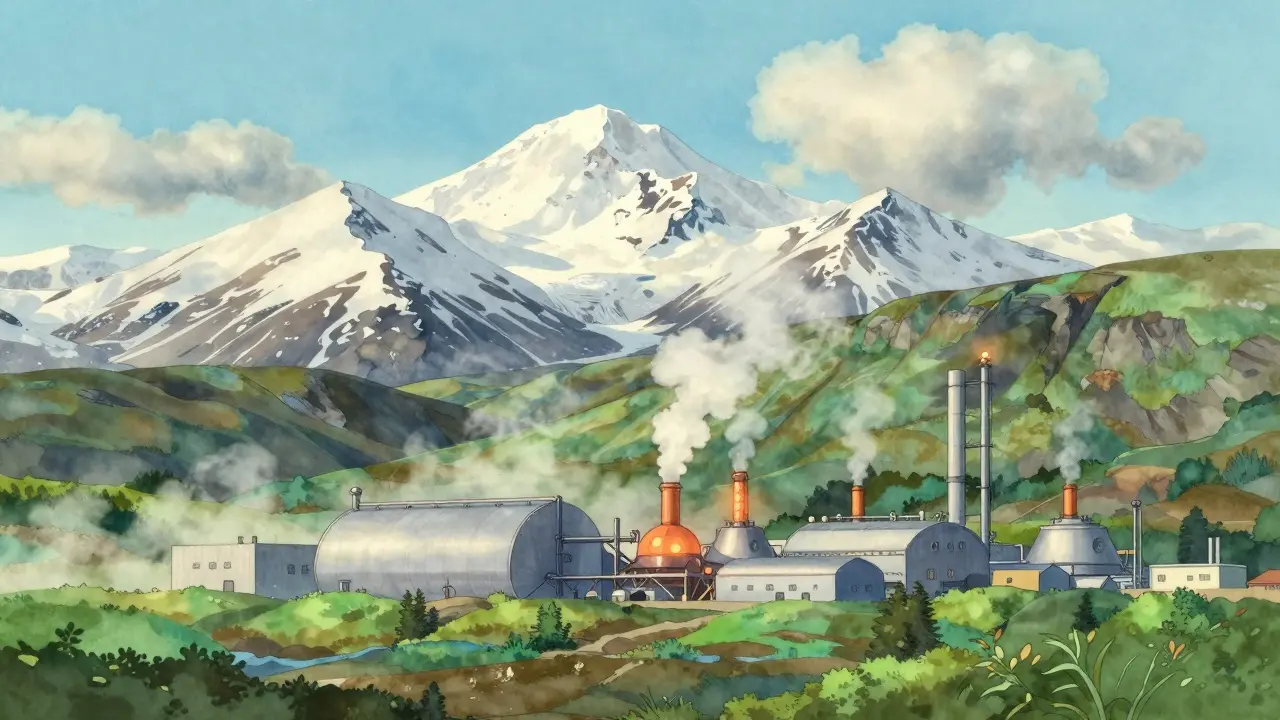
You can’t just build more power plants in Iceland like you would in Texas or China. The country relies almost entirely on two sources: Geothermal energy (about 25% of generation) and Hydroelectric power (roughly 75%). These are fantastic resources, but they are finite. You need specific volcanic activity for geothermal heat and specific river flows for hydro dams. You can’t summon a volcano on demand.
In 2024, analysis from the Hashrate Index showed that Iceland’s Bitcoin mining operations were capped at approximately 120 megawatts of allocated power. Despite this limit, those mines generated well above 1% of Bitcoin’s global hashrate. This makes Iceland the largest hashrate generator per capita on Earth. It’s a record, but it’s also a bottleneck. The grid is full. New entrants face waiting lists for grid connections that stretch into the next decade. If you didn’t sign a power purchase agreement between 2013 and 2017, you’re essentially locked out.
Government Policy Shifts: From Welcome Mat to Closed Door
The political mood in Iceland has shifted dramatically. Prime Minister Katrín Jakobsdóttir made her stance clear in March 2024: she wants to reduce cryptocurrency mining activities. This wasn't a subtle hint. It was a direct response to mounting concerns about energy consumption and environmental impact. Even though the energy is "green," using vast amounts of clean power for speculative digital assets raises questions about opportunity costs.
What could that power do instead? The government is looking at alternatives that offer more stable economic returns. Aluminum smelting, for instance, provides steady jobs and predictable revenue. Data centers for artificial intelligence are another priority. And then there’s tourism infrastructure and even hydrogen production for export. The message to miners is clear: your sector is no longer the top priority for scarce national resources.
| Sector | Energy Demand Trend | Government Priority Level | Key Constraint |
|---|---|---|---|
| Crypto Mining | High (8% of total) | Low / Declining | No new grid capacity available |
| Aluminum Smelting | Stable | High | Long-term contracts secured |
| Data Centers (AI) | Rapidly Growing | High | Competing with mining for stranded power |
| Residential Use | Growing | Highest | Tariff hikes protect domestic users |
The Economic Dilemma: GDP vs. Jobs
Let’s look at the numbers. In 2024, the crypto mining sector contributed an estimated 2% to Iceland’s GDP. That’s not insignificant. It brings in foreign currency and keeps the lights on for some local businesses. However, economists point out a crucial flaw: crypto mining creates very few direct jobs. An aluminum plant might employ hundreds of locals. A crypto farm employs a handful of technicians.
When the government weighs the options, the math favors traditional industries. Cost-benefit analyses conducted by Icelandic research institutions suggest that while mining brings cash, the opportunity cost is too high. Allocating scarce electricity to mining means less power for industries that drive broader economic stability. This calculation has led to steep tariff hikes and energy rationing measures similar to those seen in Quebec and Inner Mongolia. Residential and industrial needs now supersede mining activities.
Life Inside the Mines: Frustration and Stability
If you talk to operators on forums like Bitcoin Talk or Reddit, the sentiment is mixed. On one hand, Iceland remains politically stable. Unlike China, Kazakhstan, or Russia, where bans come without warning and equipment gets seized, Icelandic miners have operated peacefully for nearly ten years. There’s no fear of sudden confiscation.
On the other hand, frustration is rampant. Established players like Genesis Mining, Advania Data Centers, and Verne Global are stuck. They want to expand, but they can’t. Requests for facility expansion face indefinite delays due to grid capacity limitations. New ASIC models like the Antminer S19 XP and Whatsminer M50S require substantial continuous power loads. Without new connections, these companies are effectively frozen in place. They are profitable, yes, thanks to low renewable energy costs, but they cannot scale. For investors looking for growth, Iceland is no longer the answer.
The Future: Blockchain Without the Mining?
So, what happens next? The consensus among industry analysts is that the sector will remain stable at current levels. Don’t expect a boom. Don’t expect a crash. Expect stagnation. The government’s strategy is shifting toward fostering broader blockchain industry development. This means supporting applications that use the technology without consuming massive amounts of electricity.
Iceland is exploring central bank digital currency (CBDC) initiatives. These projects provide direct benefits to citizens and the financial system without draining the grid. If new power generation capacity comes online-and current timelines suggest this won’t happen before 2030-it will likely be allocated to AI data centers or hydrogen production, not more Bitcoin rigs.
For miners, the lesson is clear: the era of easy, unlimited green power in Iceland is over. The country’s unique position as a renewable energy powerhouse has become its greatest constraint. Unless you already have a signed contract from the early days, Iceland is a closed book.
Can I still start a crypto mining business in Iceland in 2026?
Technically yes, but practically no. While there is no outright ban, securing new power allocations is extremely difficult. The grid is saturated, and new entrants face lengthy waiting lists for connections. Most available power is reserved for existing long-term contracts or prioritized for residential and traditional industrial use.
Why is the Icelandic government restricting crypto mining?
The government is concerned about energy scarcity and opportunity costs. Crypto mining consumes about 8% of the nation's total energy but creates few jobs compared to industries like aluminum smelting. Officials want to prioritize energy for sectors that offer more stable employment, such as AI data centers and hydrogen production.
How much energy does crypto mining use in Iceland?
As of 2023, cryptocurrency mining accounted for approximately 8% of Iceland's total national energy consumption. This represents a significant portion of the country's limited renewable energy output, primarily derived from geothermal and hydroelectric sources.
Is Iceland still a good place for existing miners?
Yes, for established operators. Companies with existing power purchase agreements benefit from low-cost, 100% renewable energy and high political stability. However, they cannot expand significantly due to grid constraints. Profitability remains strong, but growth potential is near zero.
What alternatives to crypto mining is Iceland promoting?
Iceland is focusing on less energy-intensive blockchain applications, such as central bank digital currencies (CBDCs). Additionally, the government is encouraging investment in AI data centers, hydrogen production for clean energy export, and maintaining support for traditional industries like aluminum smelting.