20
BitcoinAsset X (BTA) Airdrop: Is the Bitcoin Asset [OLD] CoinMarketCap Drop Real?
![BitcoinAsset X (BTA) Airdrop: Is the Bitcoin Asset [OLD] CoinMarketCap Drop Real?](/uploads/2026/06/bitcoinasset-x-bta-airdrop-is-the-bitcoin-asset-old-coinmarketcap-drop-real.webp)
You see a notification pop up on your phone or email. It claims you are eligible for a free distribution of BitcoinAsset X, also known as BTA. The message mentions a partnership with CoinMarketCap and references an old project called 'Bitcoin Asset [OLD]'. It promises that if you connect your wallet and approve a transaction, you will receive valuable tokens. Before you click that link, stop. This specific scenario matches the exact pattern of one of the most common cryptocurrency scams in circulation today.
The reality is stark: there is no legitimate BitcoinAsset X airdrop hosted by CoinMarketCap. In fact, the entity labeled "Bitcoin Asset [OLD]" does not exist as a verified, reputable protocol in the blockchain space. If you are looking for details on how to claim these tokens, the most important detail you need to know is that this is likely a phishing attempt designed to drain your wallet.
Decoding the BitcoinAsset X (BTA) Myth
To understand why this alert is dangerous, we first need to look at what BitcoinAsset X actually is-or rather, what it isn't. Scammers often create fake tokens with names that sound authoritative or related to established brands like Bitcoin. They might use tickers like BTA to confuse users who are familiar with other legitimate assets. However, a search through major blockchain explorers and verified listings reveals no credible project by this name that has partnered with CoinMarketCap for a public distribution.
The term "Bitcoin Asset [OLD]" is another red flag. Legitimate projects do not refer to themselves as "[OLD]" in official communications. This phrasing is typically used by scammers to create a sense of urgency or confusion, implying that an old version of a token is being upgraded or replaced. In the world of decentralized finance (DeFi), upgrades happen through transparent governance proposals and technical documentation, not through vague social media posts or unsolicited emails.
| Feature | Legitimate Airdrop (e.g., Uniswap) | Fake Airdrop (e.g., BitcoinAsset X) |
|---|---|---|
| Source | Official project website or verified Discord/Twitter | Unsolicited DMs, fake landing pages, or suspicious emails |
| Cost to Claim | Only gas fees (network transaction costs) | Asks for upfront payment, private keys, or seed phrases |
| Wallet Interaction | Read-only checks or simple signature requests | Requests "Approve" or "Sign" transactions granting unlimited access |
| Token Listing | Listed on CoinMarketCap/CoinGecko with verified contract | No listing, or listed on obscure sites with zero volume |
Why CoinMarketCap Is Being Impersonated
CoinMarketCap is one of the most trusted sources for cryptocurrency data. Because of its reputation, it is a frequent target for impersonation. Scammers know that seeing the CoinMarketCap logo makes a fake offer look credible. They create websites that mimic the design of the real platform, using similar colors and fonts to trick your eyes.
It is crucial to understand that CoinMarketCap does not host airdrops directly on its main domain for random users to claim via simple clicks. While they have featured projects in the past, such as the 1inch Network airdrop in 2020, these were distributed through smart contracts on the blockchain, not through third-party forms asking for personal data. The 1inch airdrop was a landmark event where over 55,000 addresses received tokens simply for having interacted with decentralized exchanges before a specific snapshot date. No one had to sign into a fake website to get them; the tokens appeared in their wallets automatically.
If a site claims to be an official CoinMarketCap partner for a "BitcoinAsset X" drop, check the URL carefully. Legitimate links will always end in `coinmarketcap.com`. Any variation, such as `coinmarketcap-airdrop.com` or `bta-claim.xyz`, is a phishing site.
The Mechanics of the Wallet Drain Scam
How exactly does this scam work? When you visit the fake BitcoinAsset X page, you will be asked to connect your wallet. Popular wallets like MetaMask, Trust Wallet, or Phantom make this easy, but that convenience is what attackers exploit.
Once connected, the site will ask you to "verify" your address or "approve" the token transfer. Here is where the danger lies. You are not just signing a receipt; you are likely signing a malicious smart contract function. This function grants the scammer's contract permission to move funds from your wallet. They don't just take the fake BTA tokens (which are worthless); they can drain any ERC-20 tokens, ETH, SOL, or other assets you hold in that wallet.
This technique relies on a vulnerability in how some wallets handle approval transactions. If you click "Approve" without reading the fine print or checking the contract address, you are effectively handing over the keys to your digital vault. The scammer then executes a transfer command, moving your real assets to their address within seconds.
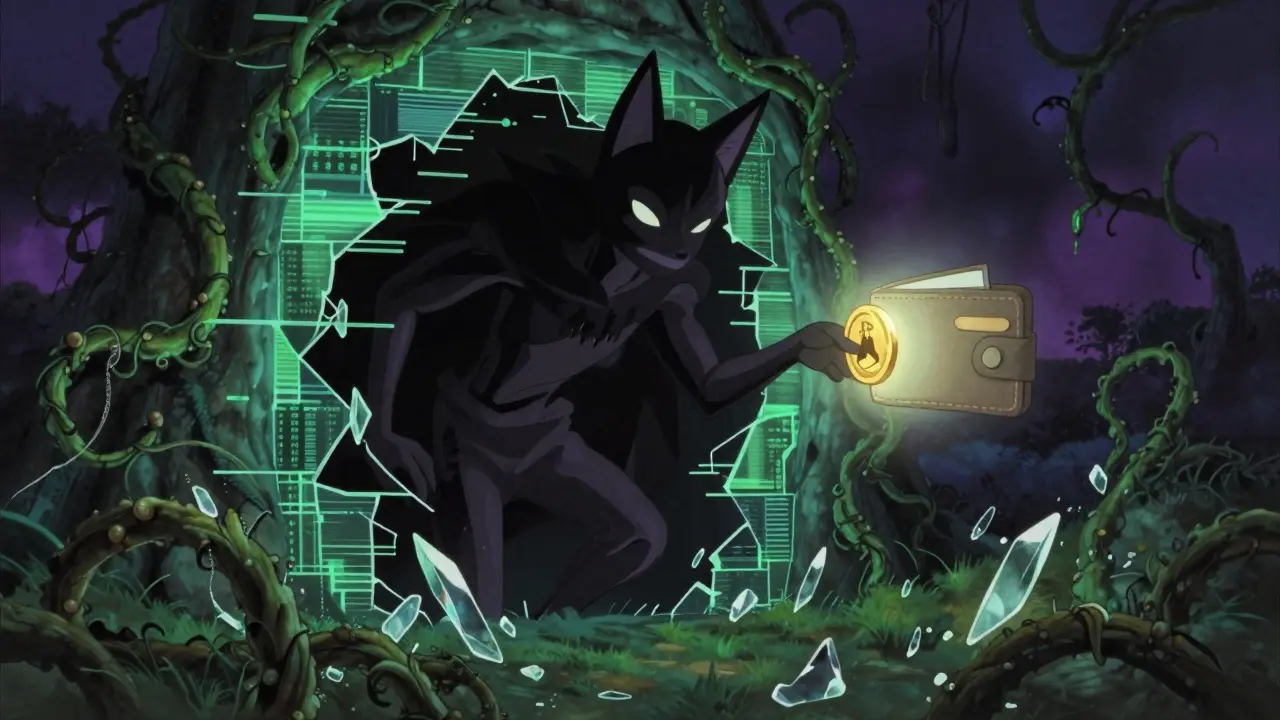
Red Flags: How to Spot a Fake Airdrop
You don't need to be a blockchain developer to spot a scam. There are several clear indicators that a BitcoinAsset X or similar offer is fraudulent:
- Urgency: The message says "Claim now before supply runs out" or "Last chance." Legitimate projects give ample time and clear instructions.
- Too Good to Be True: Promises of high-value tokens for minimal effort. If a project wanted to distribute value, they would do it through transparent community channels, not spam.
- Grammar and Spelling Errors: Professional teams proofread their announcements. Scam sites often have awkward phrasing or typos.
- Unverified Contracts: If you check the token contract address on a block explorer like Etherscan or Solscan, you will find no verified source code, low liquidity, or a single holder owning 99% of the supply.
- Request for Seed Phrase: No legitimate service will ever ask for your 12 or 24-word recovery phrase. If they do, it is 100% a scam.
What to Do If You Already Connected Your Wallet
If you clicked the link and connected your wallet, do not panic, but act quickly. The mere act of connecting does not drain your funds. The damage occurs only if you signed a transaction or approved a token allowance.
- Revoke Permissions: Use a tool like Revoke.cash or EthAllowance. Connect your wallet to these services and look for any active approvals granted to unknown contracts. Revoke them immediately.
- Move Funds: Transfer your remaining assets to a new, clean wallet. Generate a fresh set of keys and seed phrase for this new wallet. Never reuse an old seed phrase.
- Check Transaction History: Look at your recent transactions on the block explorer. If you see outgoing transfers to unknown addresses, note the transaction hashes. While recovering stolen crypto is difficult, having this evidence is important if you decide to report the incident.
- Report the Scam: Report the phishing site to CoinMarketCap support and relevant cybersecurity authorities. This helps protect others from falling victim to the same trap.

Understanding Real Crypto Airdrops
Not all airdrops are scams. Many legitimate projects use airdrops to reward early adopters and build community. For example, Uniswap distributed UNI tokens to users who had previously used their exchange. Arbitrum and Optimism rewarded users who bridged funds to their Layer 2 networks. These events were announced on official blogs, detailed in governance forums, and executed via on-chain snapshots.
To participate safely in future opportunities:
- Verify the Source: Always go to the project's official website or verified social media accounts. Never click links from direct messages.
- Use a Burner Wallet: For interacting with new or unproven protocols, use a separate wallet with minimal funds. Keep your main holdings in a cold storage device like a Ledger or Trezor.
- Research the Team: Legitimate projects have public teams, audited smart contracts, and clear roadmaps. Anonymous teams with vague promises are high-risk.
Conclusion: Stay Safe in the Crypto Space
The BitcoinAsset X airdrop associated with "Bitcoin Asset [OLD]" is a classic example of a phishing scam leveraging the trust placed in CoinMarketCap. By understanding the mechanics of these attacks-fake URLs, malicious approval requests, and impersonation-you can protect your assets. Remember, if an offer seems too good to be true, it almost certainly is. Always prioritize security over greed, verify every link, and never share your private keys. The crypto market is full of genuine innovation, but it requires vigilance to navigate safely.
Is the BitcoinAsset X (BTA) airdrop on CoinMarketCap real?
No, the BitcoinAsset X (BTA) airdrop claiming to be hosted by CoinMarketCap is a scam. CoinMarketCap does not host this airdrop, and the project "Bitcoin Asset [OLD]" is not a verified entity. Engaging with such offers risks draining your crypto wallet.
How can I tell if a crypto airdrop is legitimate?
Legitimate airdrops are announced on official project websites and verified social media channels. They never ask for your seed phrase or upfront payment. Always check if the token is listed on reputable trackers like CoinMarketCap or CoinGecko with a verified contract address.
What should I do if I connected my wallet to a fake airdrop site?
Immediately revoke any token approvals using tools like Revoke.cash. Move your remaining funds to a new, secure wallet with a fresh seed phrase. Check your transaction history for unauthorized transfers and report the scam.
Does CoinMarketCap host free crypto giveaways?
CoinMarketCap provides information about airdrops but does not directly host or manage token distributions for users to claim via simple clicks. Past features like the 1inch airdrop were distributed on-chain based on historical activity, not through third-party claim forms.
What is the "Bitcoin Asset [OLD]" project?
There is no credible cryptocurrency project known as "Bitcoin Asset [OLD]." This term is likely fabricated by scammers to create confusion or imply a legacy status for a fake token. Always verify project names on official blockchain explorers.

![BitcoinAsset X (BTA) Airdrop: Is the Bitcoin Asset [OLD] CoinMarketCap Drop Real?](/uploads/2026/06/thumbnail-bitcoinasset-x-bta-airdrop-is-the-bitcoin-asset-old-coinmarketcap-drop-real.webp)