21
ORI Orica Token Airdrop: Is It Real or a Scam?

You’ve probably seen the buzz around the ORI Orica Token. Maybe a friend sent you a link, or you saw a tweet claiming massive rewards are coming to your wallet. It sounds too good to be true, right? Well, here is the hard truth: as of August 2026, there is no verified, official airdrop for a token specifically called "ORI" by a company named "Orica." This confusion usually stems from mixing up three different things: the Australian mining giant Orica Limited, the Solana-based decentralized exchange Orca (ORCA), and various speculative AI projects in that ecosystem.
If you are holding your breath waiting for tokens to land in your Phantom or Solflare wallet, take a deep breath. Before you click any links or sign any transactions, we need to separate fact from fiction. The crypto space is full of lookalikes, and one wrong click can drain your savings. Let’s break down what is actually happening with these names, who is behind them, and how you can protect yourself from getting caught in a rug pull.
Who Is Orica, Really?
First, let’s clear up the biggest source of confusion: the name itself. When people say "Orica," they might mean two completely different entities. On one hand, you have Orica Limited, an Australian multinational corporation specializing in surface engineering, explosives, and industrial chemicals. They are a publicly traded company on the ASX. Do they issue crypto tokens? No. They operate in traditional industries like mining and construction. If someone tells you Orica Limited is doing a blockchain airdrop, they are likely lying or confusing it with another project.
On the other hand, you have Orca DEX, a popular decentralized exchange built on the Solana blockchain. Launched in 2021, Orca has become a hub for liquidity providers and traders. Its native token is ORCA, not ORI. While Orca DEX has historically rewarded its community through governance voting and occasional incentives, there is no current record of a specific "ORI" token distribution tied directly to the main Orca protocol in 2026.
So where does "ORI" come from? In the fast-moving world of DeFi, new projects often launch with ticker symbols that sound similar to established brands to ride their coattails. This is a common tactic. You might see "ORCAI" (an AI assistant project) or various memecoins trying to piggyback on the Orca brand. Without official documentation from the original team, treat any "ORI" token with extreme skepticism.
The Confusion: ORCA vs. ORCAI vs. ORI
To understand why this mix-up is so prevalent, we need to look at the recent history of the Solana ecosystem. In mid-2025, a project called Orca DeFi AI conducted a small-scale airdrop of its own token, ORCAI. This was targeted at holders of a different token called URS. The total supply was limited, and the value was modest compared to major protocol distributions. Many users confused the name "Orca" with the broader ecosystem and assumed any token dropping from that vicinity was part of the main Orca DEX reward program.
Then there is the persistent rumor mill. Crypto Twitter is rife with screenshots of fake dashboards showing "10,000 ORI tokens pending claim." These are often generated using simple web tools. The goal is simple: get you to visit a specific website, connect your wallet, and approve a transaction that gives the scammers unlimited access to your funds.
Here is a quick comparison to help you distinguish between the real players and the impostors:
| Entity Name | Type | Native Token | Airdrop Status (2026) | Risk Level |
|---|---|---|---|---|
| Orica Limited | Traditional Mining Corp (ASX) | N/A (Shares only) | No Crypto Airdrop | Low (if trading shares) |
| Orca DEX | Decentralized Exchange (Solana) | ORCA | Governance Rewards Only | Medium (Smart Contract Risk) |
| Orca DeFi AI | AI Assistant Protocol | ORCAI | Past Campaigns Ended | High (New Project Volatility) |
| "ORI" Token | Unverified / Potential Scam | ORI | Unconfirmed Rumor | Very High |
How to Verify if an Airdrop is Legit
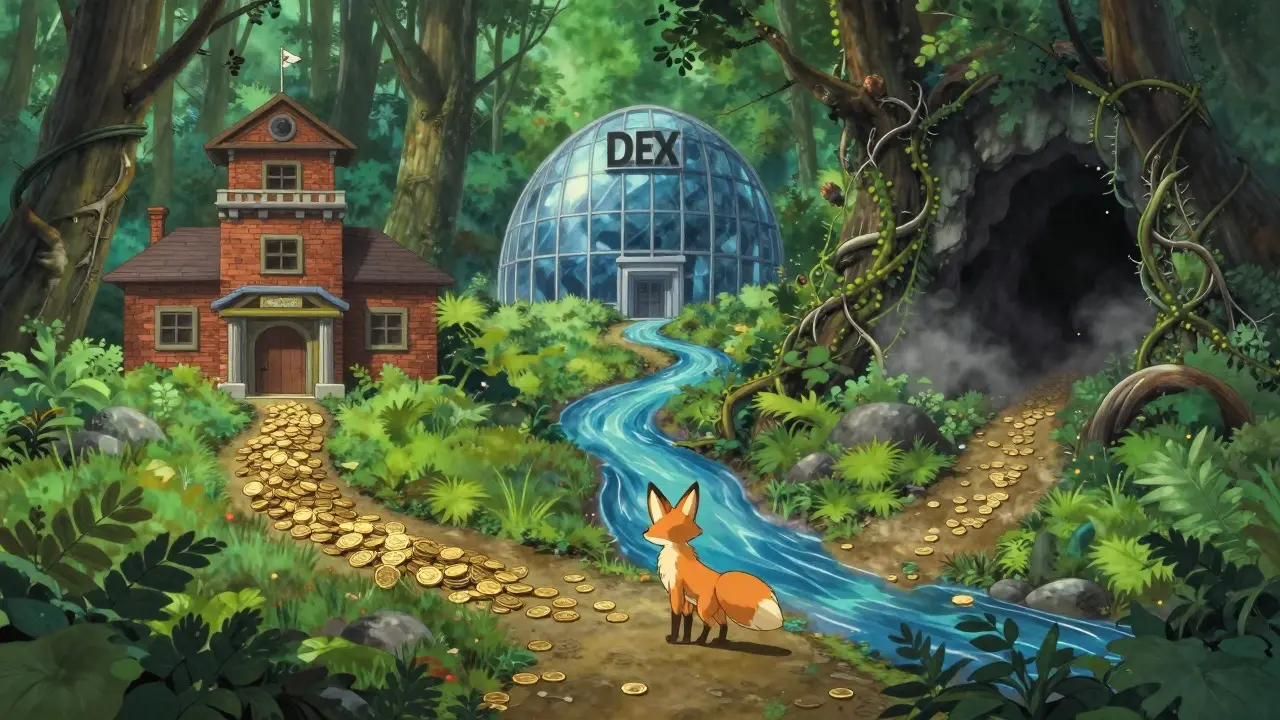
Before you trust any announcement about the ORI Orica Token, run it through this three-step verification process. This isn't just for this specific token; it applies to every airdrop you encounter.
- Check the Official Channels: Go to the verified Twitter (X) account of the project. For Orca DEX, that is @orca_so. If the airdrop isn't announced there first, it's likely fake. Scammers rarely buy out the entire timeline before the real team posts.
- Inspect the Smart Contract: Every token on Solana has a contract address. Use a tool like Solscan or RugCheck.xyz. Look at the holder distribution. If the top 10 wallets hold more than 30% of the supply, that's a red flag. Also, check if the liquidity is locked. If the developer can pull out the liquidity at any time, they can rug-pull the market instantly.
- Look for Documentation: Legitimate projects publish a whitepaper or a detailed blog post explaining the tokenomics. How many tokens are being distributed? To whom? What is the vesting schedule? If you can't find a clear answer, walk away.
In the case of the rumored ORI token, most of these checks fail. There is no prominent whitepaper, no verified social media presence under that exact ticker, and no mention in the official Orca DEX governance forums. That absence of evidence is strong evidence of absence.
The Danger of "Claim" Websites
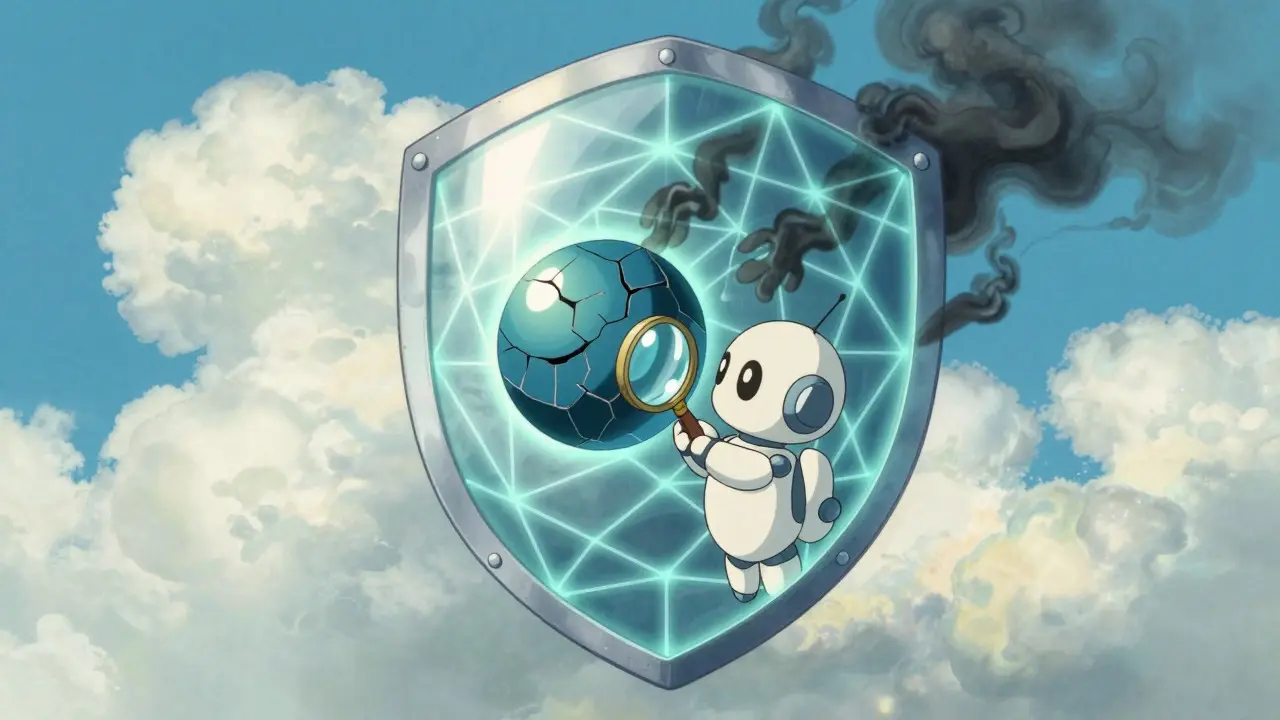
Let’s talk about how these scams actually work, because knowing the mechanism helps you avoid it. You see a tweet saying "Claim your free ORI tokens now!" You click the link. It looks professional, maybe even uses the Orca logo. It asks you to connect your wallet. You do. Then it asks you to "approve