6
POLYS PolyStarter Airdrop: Facts, Scams & How to Stay Safe

There is a lot of noise right now about a supposed POLYS PolyStarter Community Program airdrop. If you have seen posts on social media claiming you can get free tokens by connecting your wallet or completing simple tasks, stop. Take a breath. And read this carefully. As of June 2026, there is no official record of a native "POLYS" token issued by PolyStarter, nor any verified community program distributing such tokens.
This confusion often stems from a mix-up between the PolyStarter platform itself and the broader Polygon ecosystem initiatives. Many users are conflating legitimate Polygon network activities with fake schemes designed to drain wallets. Understanding the difference is not just helpful; it is essential for keeping your digital assets safe.
The Reality of PolyStarter and Its Token
To understand why this rumor is dangerous, we first need to look at what PolyStarter actually is. PolyStarter is a decentralized launchpad built on the Polygon network that helps projects raise capital securely. It acts as a gateway for investors to access vetted projects within the Polygon ecosystem. The platform focuses on fairness, transparency, and security standards like locked liquidity and token vesting for the projects it hosts.
Here is the critical detail: PolyStarter is primarily a service provider. It facilitates fundraising for other teams. While many launchpads eventually issue their own governance tokens, there is no public evidence that PolyStarter has launched a token named "POLYS." Without an official announcement from the PolyStarter team on their verified channels (such as their official Discord, Twitter/X account, or website), any claim of a POLYS token is highly suspect.
In the world of Web3, if a project does not announce its tokenomics on-chain or through official documentation, it likely does not exist-or worse, it is a trap. Always check the source. Do not trust screenshots sent in private messages or unverified Telegram groups.
Confusion with Polygon’s Agglayer Breakout Program
So where did the idea of a massive community airdrop come from? It is likely being confused with the Agglayer Breakout Program, which is an initiative by the Polygon Foundation to support new projects building on the Agglayer network. Launched in April 2025, this program encourages successful graduate projects to airdrop a portion of their native tokens to holders of POL, Polygon's native token.
This is a crucial distinction. The Agglayer program involves projects like Privado ID, Miden, and others giving away *their* tokens to *POL stakers*. It is not an airdrop of a "PolyStarter token." Furthermore, these airdrops are tied to specific snapshot dates and eligibility criteria set by individual projects, not a blanket distribution by PolyStarter.
| Feature | Polygon Agglayer Program | Fake "POLYS" Airdrop |
|---|---|---|
| Organizer | Polygon Foundation & Graduate Projects | Unknown scammers |
| Token Distributed | Native tokens of specific projects (e.g., Privado ID) | Fictional "POLYS" token |
| Eligibility | POL Stakers (based on snapshots) | Anyone who connects a wallet |
| Official Source | Polygon.com, Project Docs | Social Media DMs, Unverified Sites |
| Risk Level | Low (if using official links) | Extremely High (Wallet Drainer) |
If you see a site claiming to distribute POLYS tokens because you used PolyStarter in the past, it is almost certainly a phishing attempt. Scammers know that PolyStarter has a reputation for quality projects. They use that trust to lure users into signing malicious transactions.

How to Spot a Phishing Airdrop
Scammers are getting smarter, but their methods still follow predictable patterns. Knowing these red flags can save you thousands of dollars. Here is what to look out for when evaluating any crypto airdrop claim:
- Urgency and Exclusivity: Messages like "Claim ends in 24 hours!" or "You are one of 100 selected users" are classic pressure tactics. Legitimate programs give ample time and clear, public rules.
- Unverified Domains: Check the URL carefully. Is it polystarter.com or something like polystarter-airdrop-claim.net? Typos, extra hyphens, or different top-level domains (.xyz, .top) are major warning signs.
- Requests for Private Keys or Seed Phrases: No legitimate airdrop will ever ask for your seed phrase or private key. This gives full control of your wallet to the attacker.
- Approval Transactions: When you connect your wallet, watch the transaction details. If it asks you to "Approve" an unlimited amount of tokens to an unknown contract address, cancel immediately. This allows the scammer to drain your existing assets later.
- Lack of Official Announcement: If the PolyStarter team hasn't posted about it on their verified social media accounts, it doesn't exist.
I’ve seen too many experienced investors lose funds because they assumed a link was legitimate. Always verify the source independently. Do not click links from direct messages, even if they appear to come from known contacts. Account takeovers are common.
The Broader Context of Crypto Airdrops in 2026
The landscape of airdrops has evolved significantly since the boom years of 2021-2022. In 2025 and 2026, the focus shifted towards sustainability and genuine community participation. Projects like Hyperliquid, Magic Eden, and Pudgy Penguins set new standards by rewarding long-term engagement rather than simple wallet connections.
This shift means that generic "click-to-claim" airdrops are largely dead-or worse, they are exclusively scams. Legitimate distributions now require proof of work, such as holding specific NFTs, staking tokens over time, or actively using a protocol. The days of easy money are over, replaced by a need for due diligence.
For the Polygon ecosystem specifically, the introduction of the Agglayer has created new opportunities for interoperability. However, this complexity also provides cover for scammers who create fake interfaces mimicking real dApps. The more complex the technology, the higher the risk of user error or exploitation.
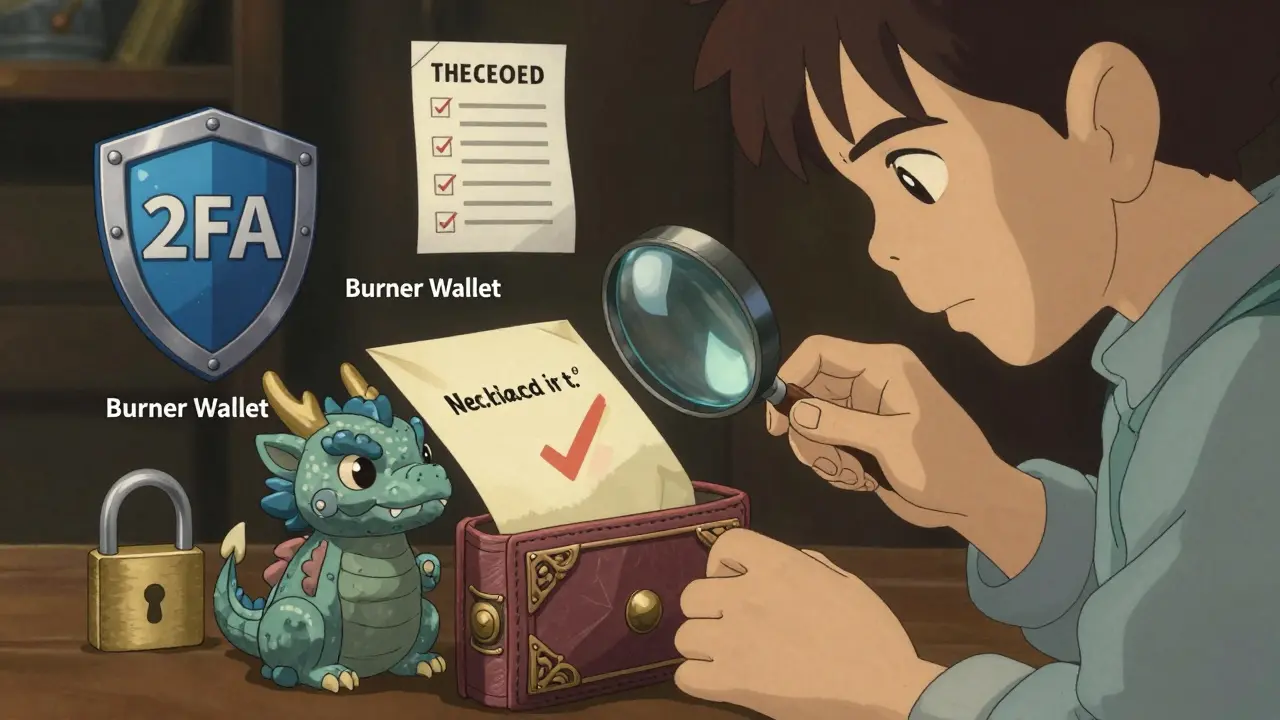
Steps to Verify Any Airdrop Claim
Before you interact with any website promising free tokens, follow this checklist. It takes two minutes and could save your entire portfolio.
- Check Official Channels: Go directly to the project’s official website (bookmark it yourself). Look for announcements in their blog, Discord, or Twitter. If it’s not there, ignore it.
- Analyze the Smart Contract: Use tools like Etherscan or Polygonscan to look up the token contract address. Check if the contract is verified. Look at the holder distribution. If 90% of tokens are held by one wallet, it is a rug pull waiting to happen.
- Use a Burner Wallet: Never connect your main wallet containing significant assets to unverified sites. Use a separate wallet with minimal funds for testing new platforms.
- Search for Community Feedback: Search Reddit or specialized crypto forums for discussions about the specific airdrop. Look for warnings from other users. Be wary of comments that seem overly positive and generic-they may be bots.
- Consult Security Tools: Tools like Revoke.cash allow you to manage approvals. Regularly audit your connected apps and revoke permissions for services you no longer use.
Remember, if it sounds too good to be true, it is. There is no such thing as a free lunch in crypto. Every legitimate airdrop costs the project millions of dollars in token value. They do not give it away without a strategic reason, and that strategy rarely involves random internet users clicking suspicious links.
Protecting Your Assets Long-Term
Beyond avoiding scams, building good security habits is vital. The PolyStarter platform emphasizes security for the projects it launches, and you should apply the same rigor to your personal finance.
Consider using hardware wallets like Ledger or Trezor for storing significant amounts of POL or other assets. These devices keep your private keys offline, making them immune to remote hacking attempts. Additionally, enable two-factor authentication (2FA) on all your exchange and email accounts, using an authenticator app rather than SMS, which can be intercepted.
Stay educated. The crypto space moves fast. What was safe last year might be risky today. Follow reputable news sources and security researchers. Understand the basics of how smart contracts work. You don’t need to be a developer, but knowing what an "approval" transaction looks like can prevent disaster.
Finally, be skeptical. Healthy skepticism is your best defense. Question every claim. Verify every link. And never rush. Scammers rely on your excitement or fear to make you act without thinking. Slow down. Think critically. Protect your wealth.
Is there an official POLYS token from PolyStarter?
As of June 2026, there is no official record of a native "POLYS" token issued by PolyStarter. Any claims of a POLYS airdrop are likely scams or misinformation. Always verify information through PolyStarter's official website and social media channels.
What is the Polygon Agglayer Breakout Program?
The Agglayer Breakout Program is an initiative by the Polygon Foundation that supports new projects building on the Agglayer network. Successful projects in this program may airdrop their own native tokens to POL stakers, but this is distinct from any PolyStarter-specific token distribution.
How can I tell if an airdrop website is a scam?
Look for red flags such as unverified domain names, requests for private keys or seed phrases, urgency tactics, and lack of official announcements from the project team. Always check the smart contract on block explorers and use burner wallets for unverified interactions.
Why are people confusing PolyStarter with Polygon airdrops?
PolyStarter operates on the Polygon network, leading some users to assume that Polygon ecosystem-wide initiatives, like the Agglayer Breakout Program, are directly managed by PolyStarter. However, they are separate entities with different goals and token structures.
What should I do if I already connected my wallet to a suspicious site?
Immediately disconnect your wallet from the site. Use a tool like Revoke.cash to revoke any token approvals granted to the suspicious contract. Transfer any remaining assets from that wallet to a new, secure wallet. Monitor the compromised wallet for any unauthorized transactions.