18
Content Ownership in Web3 Social Media: How Blockchain Gives Creators Control
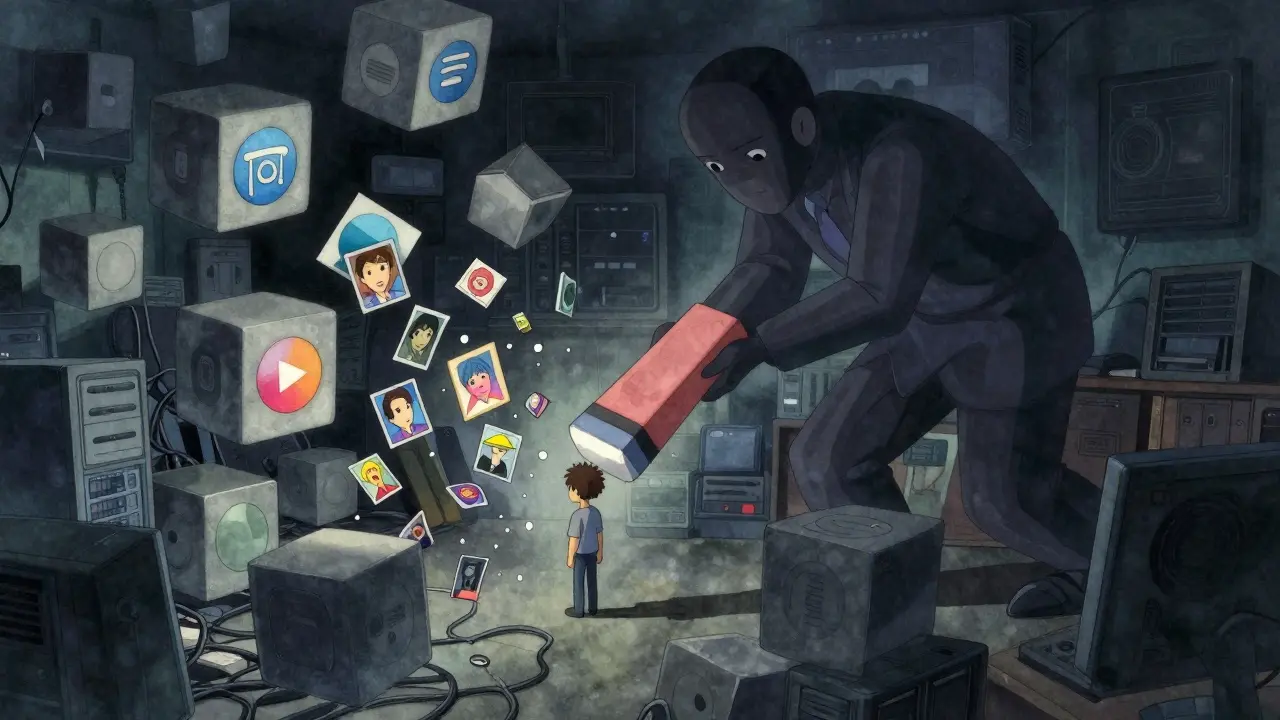
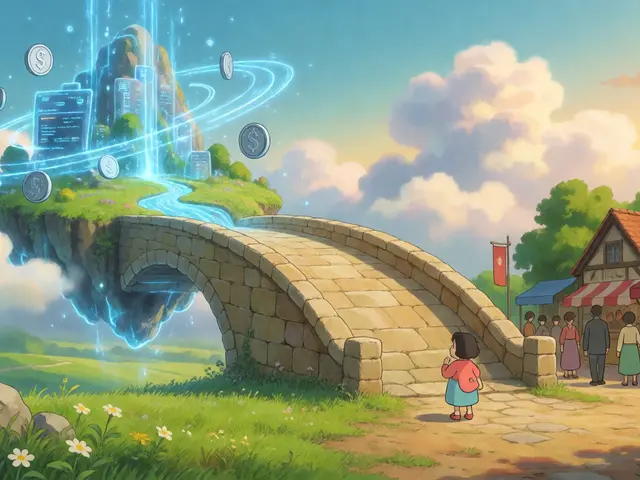
Imagine posting a photo, writing an article, or uploading a video, only to have a platform algorithm bury it because it doesn't fit their monetization strategy. Or worse, imagine having your account banned overnight without recourse, losing years of followers and content in seconds. This is the reality for millions of users on traditional Web 2.0 platforms like Facebook, X (formerly Twitter), and Instagram. But what if you actually owned your digital presence? What if your audience, your data, and your content belonged to you, not a corporation?
This is the core promise of Web3 social media. It represents a fundamental shift from centralized control to decentralized ownership. Instead of renting space on someone else’s server, you build your digital identity on the blockchain. This guide breaks down how this works, why it matters for creators, and whether it’s ready for mainstream use.
The Problem with Traditional Social Media Ownership
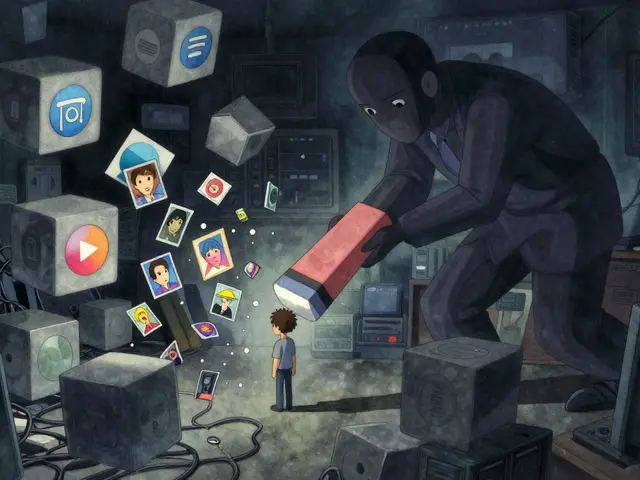
To understand why Web3 matters, we first need to look at how current social media handles content. When you post on Instagram or TikTok, you aren’t really "owning" that post in a technical sense. You grant the platform a broad, often perpetual license to use, distribute, and modify your content. The platform controls the algorithm that decides who sees it. They control the ads that run next to it. And they capture the vast majority of the economic value generated by your engagement.
If a platform changes its terms of service, bans your account, or simply shuts down, your social capital-your followers, likes, and history-disappears. You are essentially a tenant in a digital building where the landlord can change the locks at any time. This lack of sovereignty is the primary pain point driving the adoption of decentralized alternatives.
How Blockchain Establishes True Content Ownership
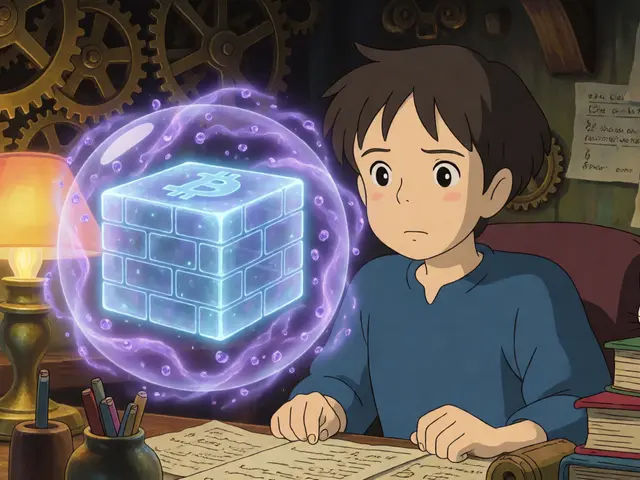
Blockchain technology is a distributed ledger system that records transactions across many computers so that the record cannot be altered retroactively. In the context of social media, this technology acts as an immutable public record. When you create content on a Web3 platform, that creation event is recorded on the blockchain. This provides cryptographic proof that you created it, when you created it, and that you own it.
Unlike a database controlled by Meta or Google, no single entity can alter this record. If you mint your artwork or text as a digital asset, the ownership is tied to your digital wallet, not a username on a specific site. This means:
- Immutability: Your content cannot be deleted or censored by a central authority.
- Transparency: Anyone can verify the origin and ownership of the content.
- Portability: Because your identity is tied to your wallet, you can take your profile and connections to any compatible Web3 app.
The Role of NFTs in Digital Identity and Assets
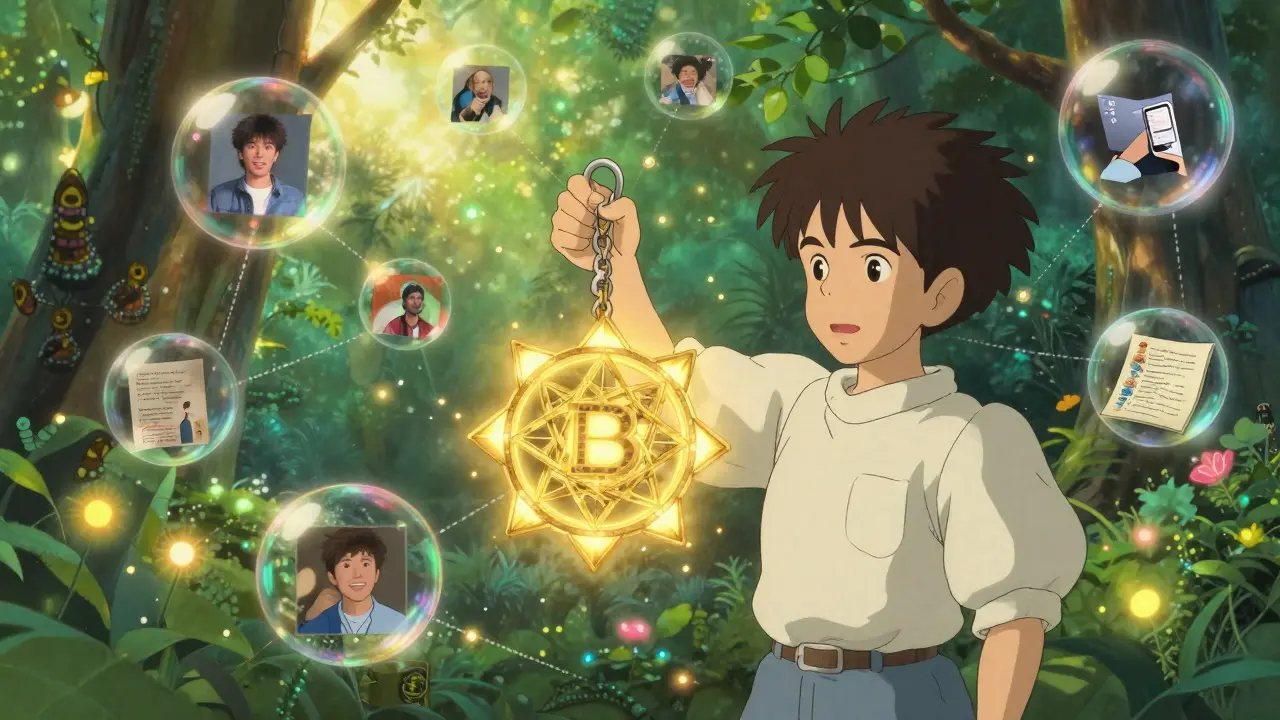
Non-Fungible Tokens (NFTs) are unique digital certificates of ownership stored on a blockchain. While NFTs gained fame through expensive digital art sales, their utility in social media is far more practical. On platforms like Lens Protocol or Farcaster, your entire social graph-your followers, following lists, and posts-can be represented as NFTs or similar on-chain assets.
Here is how this changes the dynamic:
- Profile as an Asset: Your follower count isn’t just a metric; it’s a verifiable asset you hold. If you leave one app for another, you bring those followers with you because they are linked to your wallet address.
- Monetization via Smart Contracts: Smart contracts are self-executing contracts with the terms of the agreement directly written into code. These can automatically pay you royalties every time your content is shared or resold. For example, if a journalist writes a breaking news story and mints it, they can earn a small fee each time it is reposted or referenced.
- Decentralized Identity (DID): Instead of logging in with email and password, you connect your crypto wallet. This eliminates the risk of mass data breaches exposing your personal information, as your identity is self-sovereign.
Comparing Web 2.0 and Web3 Social Models
| Feature | Web 2.0 (e.g., Facebook, X) | Web3 (e.g., Lens, Farcaster) |
|---|---|---|
| Data Ownership | Platform owns user data and usage rights | User owns data via wallet and blockchain records |
| Censorship Resistance | Low (platforms can ban accounts arbitrarily) | High (no central entity can delete on-chain content) |
| Monetization | Ad-revenue share, creator funds (controlled by platform) | Direct tips, NFT sales, subscription tokens (peer-to-peer) |
| Portability | None (locked into platform ecosystem) | High (profile and followers move with wallet) |
| User Experience | Simple, familiar, low barrier to entry | Complex, requires wallet management, gas fees |
Challenges Facing Web3 Social Adoption
Despite the theoretical benefits, Web3 social media is not yet ready for everyone. The friction points are significant and real. Understanding these barriers is crucial for anyone considering migrating their online presence.
1. Technical Complexity and User Experience
Setting up a Web3 social profile requires creating a cryptocurrency wallet (like MetaMask or Phantom), managing seed phrases, and understanding private keys. For a non-technical user, this is intimidating. Losing your seed phrase means losing access to your entire digital identity forever. There is no "Forgot Password" button on the blockchain. This high learning curve slows mainstream adoption significantly.
2. Transaction Costs (Gas Fees)
Every action on the blockchain-posting, liking, following-may require a transaction fee known as "gas." On networks like Ethereum mainnet, these fees can fluctuate wildly based on network congestion. Paying $5 to send a simple tweet-like message is impractical. To solve this, many Web3 social apps use Layer 2 solutions (like Base or Optimism) or alternative chains (like Polygon) where fees are fractions of a cent. However, users still need to hold some cryptocurrency to interact with the platform.
3. Scalability and Network Effects
Social media relies on network effects-the value increases as more people join. Currently, most of your friends and family are not on Web3 platforms. Migrating there means leaving behind your existing audience unless they also migrate. Until critical mass is reached, Web3 social apps remain niche communities rather than general-purpose tools.
4. Regulatory Uncertainty
As governments scrutinize cryptocurrencies and digital assets, Web3 platforms face legal risks. Regulations around tokenomics, securities laws, and data privacy (like GDPR’s "right to be forgotten") clash with the immutable nature of blockchains. This uncertainty can deter enterprise adoption and investment.
Getting Started with Web3 Content Ownership
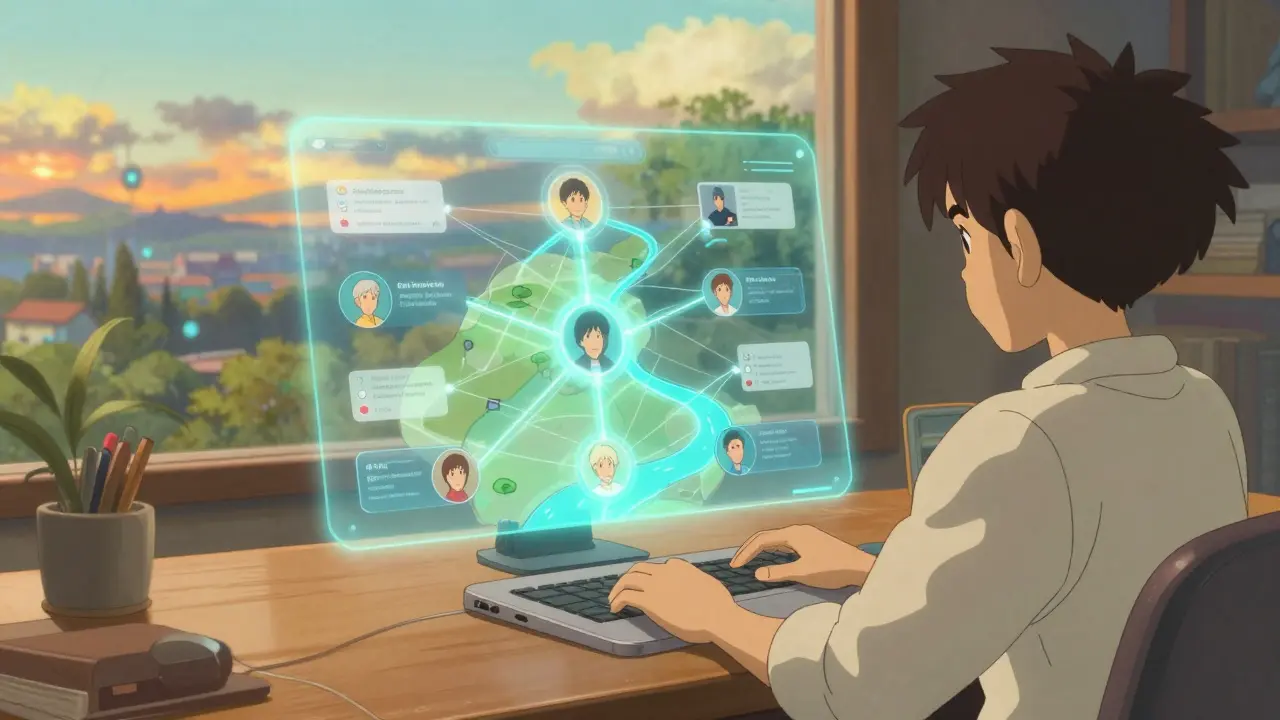
If you are interested in exploring true content ownership, here is a practical roadmap to begin your journey safely.
- Choose a Wallet: Start with a reputable non-custodial wallet like MetaMask, Rainbow, or Phantom. Write down your seed phrase on paper and store it securely. Never share it digitally.
- Select a Network: For social media, avoid Ethereum mainnet due to high fees. Look for platforms built on Layer 2 networks like Base, Arbitrum, or specialized social chains like Lens Protocol or Farcaster.
- Create Your Profile: Connect your wallet to a Web3 social app. Mint your profile if required. This process establishes your on-chain identity.
- Fund Your Wallet: Add a small amount of the native cryptocurrency for the network (e.g., ETH for Base, MATIC for Polygon) to cover minimal transaction fees.
- Engage Carefully: Start by following others and making small interactions. Understand that once content is posted on-chain, it is permanent. Edit features are limited or non-existent.
The Future of Decentralized Social Networks
The trajectory of social media is slowly shifting toward greater user agency. As traditional platforms face increasing backlash over data privacy, algorithmic bias, and creator compensation, the demand for alternatives grows. Innovations in "account abstraction" aim to hide the complexity of wallets from users, allowing them to log in with biometrics while still maintaining blockchain-backed ownership.
We are likely to see a hybrid model emerge. Major tech companies may integrate blockchain elements to offer better ownership features, while pure Web3 platforms will continue to refine user experience. The key takeaway is that the concept of owning your digital life is no longer science fiction-it is a developing reality. Whether you adopt it today or wait for smoother interfaces, understanding these mechanisms empowers you to make informed choices about where you spend your attention and creative energy.
What happens if I lose my Web3 wallet seed phrase?
If you lose your seed phrase, you permanently lose access to your wallet and all associated assets, including your social media profile, followers, and content. Unlike traditional platforms, there is no customer support to recover your account. This is why securing your seed phrase offline is critical.
Are Web3 social media posts truly uncensorable?
Yes, once content is recorded on the blockchain, it cannot be deleted by the platform operators. However, individual apps or front-ends might choose not to display certain content. The data remains accessible on the chain, but visibility depends on which interface you use to view it.
Do I need to buy expensive NFTs to use Web3 social media?
No. Many Web3 social platforms allow free profile creation. The costs involved are typically small transaction fees (gas) paid in cryptocurrency. These fees are often negligible on Layer 2 networks, costing less than a penny per interaction.
Can I transfer my followers from Instagram to a Web3 platform?
Not directly. Your Web 2.0 followers are locked within that platform's database. To build a Web3 audience, you must encourage your existing followers to join the new platform and follow your wallet-based profile. Over time, your Web3 profile becomes portable between different decentralized apps.
Is Web3 social media safe from hackers?
The blockchain itself is highly secure, but user error is a major risk. Phishing attacks, malicious smart contracts, and compromised devices can lead to stolen wallets. Security relies heavily on user vigilance, using hardware wallets for significant assets, and verifying URLs before connecting wallets.




Terry Hyland
June 18, 2026 AT 12:23They want to take your data and sell it to the highest bidder. This is just another way for the elite to control us all. The government will ban this next because they can't track everything anymore. Stay woke people.
Monica Pathammavong
June 20, 2026 AT 03:17u dont get it at all. its not about freedom its about tax evasion. i know how these things work behind the scenes. you are being played by big tech AND crypto bros. stop falling for the hype train its so obvious.
Mark Brunschwiler
June 21, 2026 AT 05:07I feel like my soul is being drained every time I log into Facebook. They feed on our attention. It's a vampire economy. We need to break free from this matrix of lies. My heart hurts thinking about how much energy we waste scrolling through ads that hate us.
Tim Lefebvre
June 21, 2026 AT 05:34hey there, i think you might be missing some key points here. gas fees are actually super low on layer 2 networks now like base or optimism. you dont need to spend $5 to post a tweet. its more like pennies. also seed phrases are easy if you write them down on paper. just keep it safe from fire and water. let me know if u need help setting up metamask
Sonya O'Brien
June 21, 2026 AT 10:44It is truly fascinating to consider the long-term implications of decentralized identity systems, particularly when one reflects upon the historical precedents set by previous technological revolutions that promised liberation but often delivered new forms of enclosure. While the theoretical framework presented here is compelling, one must also acknowledge the significant social friction involved in migrating an entire network of relationships to a new platform, which requires not only technical literacy but also a collective willingness to abandon familiar interfaces for the sake of abstract principles of ownership and sovereignty.
Filbert Reeves
June 22, 2026 AT 03:13everyone thinks blockchain saves them but really it just moves the problem from one corporation to another group of rich guys who own the mining rigs. its a scam wrapped in code. you think you own your data? no you just rent space on a server owned by a cartel. the whole idea of decentralization is a myth created to sell worthless tokens. i have seen the emails they send each other and its all fake. wake up sheeple.
Nick Rice
June 23, 2026 AT 16:43Welcome to the future of digital autonomy. It is imperative that we embrace these tools with vigor and determination. Do not let fear of complexity hold you back from claiming your rightful place in the decentralized web. You are capable of mastering wallet management and understanding smart contracts. Let us build this together with strength and resolve.
Amit Thakur
June 25, 2026 AT 00:03The paradigm shift towards self-sovereign identity via DID standards is critical for mitigating systemic risk in centralized architectures. We must leverage zero-knowledge proofs to ensure privacy while maintaining verifiable credentials. The current UX friction is merely a transient latency issue in adoption curves. Let's optimize our mental models for Web3 scalability and interoperability protocols immediately.
Eric Scheinberg
June 25, 2026 AT 18:34The structural integrity of blockchain-based social graphs offers a robust alternative to the ephemeral nature of legacy platforms. One must consider the cryptographic guarantees provided by immutable ledgers as a foundational element of digital trust. It is essential to approach this transition with meticulous attention to security protocols and private key management.
pankaj chawla
June 27, 2026 AT 07:53This is a great point about portability. I agree that owning your audience is the most valuable asset for any creator. We should support platforms that prioritize user data rights over ad revenue. Let's collaborate to make Web3 more accessible for everyone.
Jessica Lane
June 27, 2026 AT 20:18I am genuinely curious about how the legal frameworks will adapt to these changes, especially regarding copyright and intellectual property rights in a decentralized environment. How do we ensure that creators are protected without reverting to centralized censorship mechanisms?
Charles Pawlikowski
June 29, 2026 AT 04:10typical left wing nonsense trying to destroy our way of life. america first means keeping our data in american hands not letting foreign hackers steal it. this crypto stuff is for criminals and terrorists. stick to facebook its safe and secure for patriots :)
Andrea Burd
June 29, 2026 AT 21:28boring read. the tech is cool i guess but the writing is so dry and repetitive. nobody cares about 'sovereignty' they care about likes. also the table is ugly. typical tech bro jargon fest. whatever.
Akeem Whittaker
June 30, 2026 AT 16:01Let's focus on the practical steps outlined in the guide. Setting up a non-custodial wallet is the first barrier to entry, but it is a necessary one for true ownership. I encourage everyone to start small and learn the basics of blockchain security before diving into complex NFT profiles.
Manish Prajapat
June 30, 2026 AT 23:08The philosophical underpinning of Web3 is the reclamation of agency in a digital age dominated by surveillance capitalism. It invites us to reflect on what it means to exist authentically online. By owning our digital footprint, we assert our individuality against the homogenizing forces of algorithmic curation.
John Doe
July 2, 2026 AT 07:34I lost my account once and it felt like losing a part of myself. All those memories gone. That pain drives me to want something better. If this technology can prevent that heartbreak, then it is worth learning. The stakes are emotional, not just financial.
Mekz Wheoki
July 4, 2026 AT 02:12Oh look, another article pretending blockchain solves human stupidity. You still lose your keys and blame the protocol. Enjoy your 'ownership' while you figure out why your transaction failed. Pathetic.