17
NFT Digital Identity Systems: The Future of Secure, User-Controlled Credentials
The End of Passwords and Centralized Databases
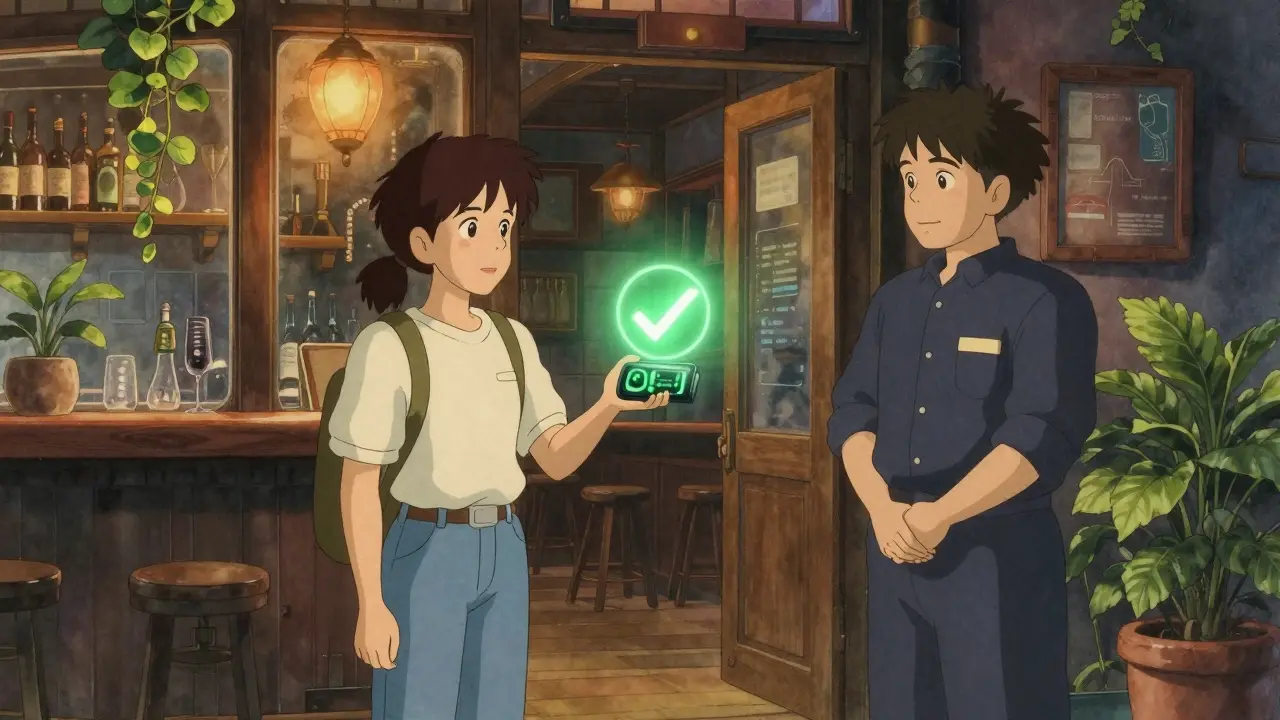
Imagine walking into a bar. Instead of handing over your physical driver’s license to the bouncer-allowing them to see your name, address, and photo-you simply show a digital proof that you are over 18. The bouncer gets a green checkmark on their screen. They know nothing else about you. This isn’t science fiction anymore. It is the reality emerging from NFT digital identity systems.
For years, Non-Fungible Tokens (NFTs) were synonymous with expensive digital art and speculative trading. But as we move through mid-2026, the narrative has shifted dramatically. NFTs are evolving from static collectibles into dynamic, functional infrastructure for managing who we are online. We are witnessing a fundamental transfer of power: moving identity control from centralized tech giants and government databases back to individual users.
This shift is not just theoretical. With regulatory mandates like the EU’s eIDAS 2.0 and technological breakthroughs in zero-knowledge cryptography, NFT-based identity is becoming the backbone of secure digital interaction. If you have ever worried about data breaches or lost passwords, this technology offers a concrete solution.
How NFTs Actually Store Your Identity
To understand why NFTs are suitable for identity, you first need to strip away the hype around JPEGs. At its core, an NFT is a unique token on a blockchain that points to specific metadata. In the context of identity, that metadata contains verifiable credentials.
Traditionally, when you sign up for a service, you create an account on their server. They store your email, password hash, and personal details. If that server is hacked, your data is exposed. With Decentralized Identity (DID), the model flips. You hold your credentials in a digital wallet. These credentials are issued by trusted authorities (like a university or a government agency) but stored by you.
Here is how it works in practice:
- Issuance: A university issues a degree credential. Instead of mailing a paper diploma, they mint a verifiable NFT linked to your wallet.
- Storage: You hold this NFT in your mobile wallet (like Google Wallet or a dedicated crypto wallet). No central database holds your entire record.
- Verification: When applying for a job, you share the credential. The employer verifies it against the issuer’s public key on the blockchain. They confirm it is real without needing to call the university.
This structure relies on the W3C Verifiable Credentials standard. This standard ensures that credentials issued on one platform can be understood and verified on another, creating a universal language for digital trust.
| Feature | Centralized Model (Current) | NFT/DID Model (Future) |
|---|---|---|
| Data Ownership | Service Provider owns data | User owns data |
| Breach Risk | High (Single point of failure) | Low (Distributed storage) |
| Portability | Locked to specific platforms | Portable across all compatible apps |
| Privacy Control | Minimal (All-or-nothing sharing) | Granular (Share only what is needed) |
Zero-Knowledge Proofs: Privacy Without Compromise
The biggest hurdle for digital identity has always been privacy. Why would anyone want to upload their passport details to a blockchain if that information could potentially be traced? The answer lies in Zero-Knowledge Proofs (ZKPs).
ZKPs allow one party to prove to another that a statement is true without revealing any information beyond the validity of the statement itself. Think of it as a magical door. You don’t need to show the guard your key; you just need to prove you *have* the correct key to open the lock. The guard sees the door open, confirming your access rights, but never sees the key.
In 2026, ZKP technology is mature enough to handle complex identity checks. For example:
- Age Verification: Prove you are over 21 without revealing your birth date or full name.
- Creditworthiness: Prove your credit score is above 700 without revealing your full financial history.
- Professional Status: Prove you are a licensed doctor without revealing your patient records or personal address.
This capability is critical for mass adoption. It solves the tension between transparency (needed for security) and privacy (needed for user comfort). Companies like TrueOriginal emphasize that this "privacy-preserving verification at scale" is what separates viable identity systems from failed experiments.
The Regulatory Push: eIDAS 2.0 and Global Mandates
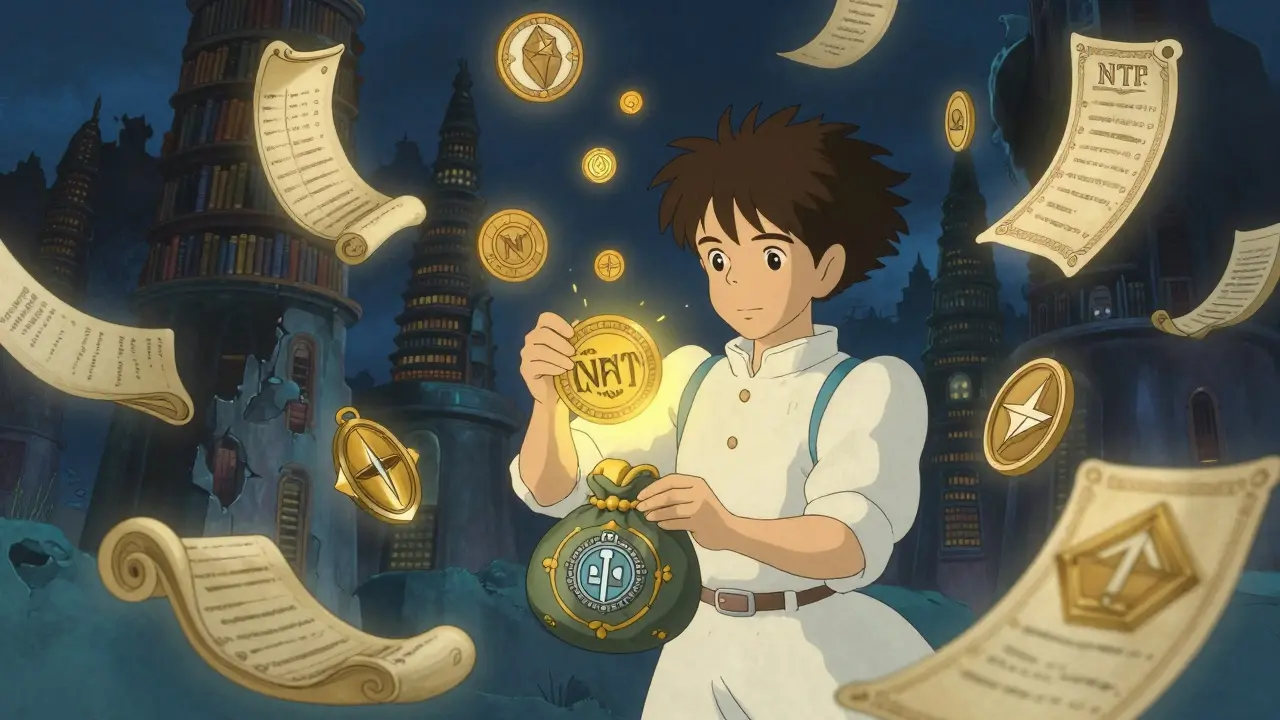
Technology alone rarely drives mass adoption; regulation does. In 2026, the most significant driver for NFT identity systems is the European Union’s eIDAS 2.0 regulation. This law mandates that all EU member states implement digital identity wallets for their citizens.
By late 2026, public services and large private organizations in the EU must accept these digital wallets for identity verification. This affects approximately 450 million people. It creates a legally binding requirement for interoperable, secure identity infrastructure. While the EU leads, other regions are following suit, particularly in emerging markets where traditional identity infrastructure is weak or nonexistent.
Trinsic’s 2026 analysis highlights a massive demographic shift: roughly one billion additional people are becoming eligible for wallet-based digital IDs. Countries in Africa, South Asia, and Southeast Asia are leapfrogging legacy systems. Instead of building costly, centralized databases that are prone to corruption and inefficiency, they are adopting decentralized, blockchain-based models directly. This is not just an upgrade; it is a structural bypass of outdated bureaucracy.
Dynamic NFTs and AI Integration
Early NFTs were static. Once minted, their metadata couldn’t change. This was fine for art, but terrible for identity. Your driver’s license expires. Your professional certifications renew. Your address changes. Static tokens cannot reflect this reality.
Enter Dynamic NFTs. These tokens have updatable metadata. When your certification renews, the smart contract updates the token’s status automatically. No new token needs to be issued. This reduces clutter in your wallet and ensures that verifiers always see your current status.
Artificial Intelligence plays a dual role here. On one hand, AI-powered verification systems scan for fraudulent identity claims in real-time. On the other, AI helps personalize the user experience. Imagine an adaptive avatar or skill-based credential that evolves based on your measurable progress in a learning platform. MEXC describes this convergence of AI-generated assets and AI-verified authenticity as one of the strongest forces building the Web3 future.
Wallet Wars: Fragmentation vs. Adoption
If NFT identity is so great, why isn’t everyone using it yet? The answer is fragmentation. As of early 2026, there is no single dominant wallet for identity. We have a competitive landscape involving:
- OEM Wallets: Apple Wallet, Google Wallet, and Samsung Wallet. Google Wallet, backed by Android’s ~70% global market share, is positioned to become the most adopted ID wallet by the end of 2026.
- Dedicated Crypto Wallets: MetaMask, Trust Wallet, etc., which offer more control but have steeper learning curves.
- Jurisdiction-Specific Apps: Government-issued apps that may not interoperate seamlessly with global standards.
This fragmentation poses a challenge for businesses. If a company builds its verification system only for Google Wallet, it misses out on users in jurisdictions where local government apps dominate. Interoperability remains the highest priority for long-term success. Organizations must ensure their systems can read credentials from multiple sources, regardless of the underlying wallet architecture.
Real-World Asset Tokenization and Identity
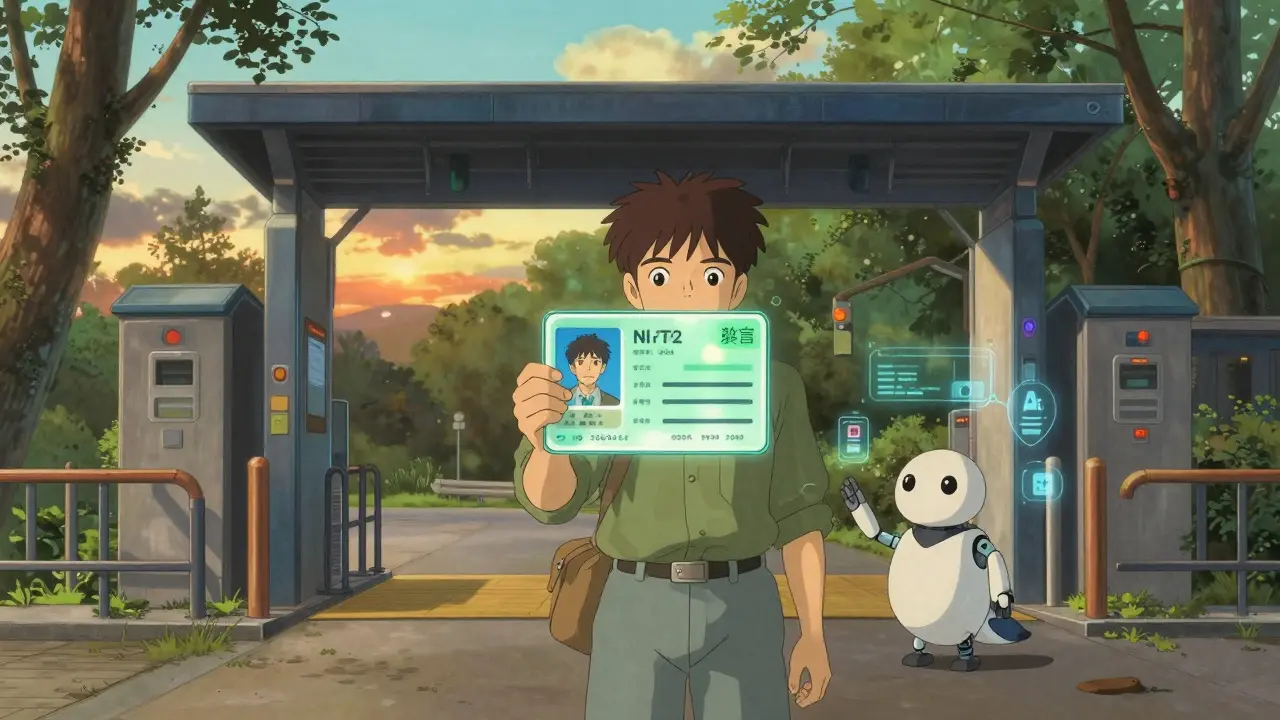
The line between digital identity and physical ownership is blurring. Real-World Asset (RWA) tokenization is extending NFT identity systems to include physical documents. Your physical passport or driver’s license now has a blockchain-based digital twin.
This enables seamless cross-border verification. A traveler can present their digital credential at a border control checkpoint, which verifies against the issuing country’s blockchain. There is no need for manual document checking or translation. This bridge between physical and digital identity is crucial for global commerce and travel, reducing friction and increasing security simultaneously.
Challenges and Risks to Watch
Despite the optimism, significant hurdles remain. SC Media notes that 2026 will expose identity gaps as AI fraud techniques evolve. Sophisticated deepfakes and synthetic identities pose new threats. While blockchain provides immutability, it does not guarantee the truthfulness of the initial data entry. If a fraudulent identity is minted, the blockchain will faithfully preserve that fraud unless robust off-chain verification processes are in place.
Additionally, the user experience must improve. Managing private keys, seed phrases, and hardware wallets is too complex for the average consumer. The industry is moving toward social recovery mechanisms and biometric authentication to simplify access without compromising security. However, until these tools are seamless, widespread adoption among non-technical users will lag.
The Road Ahead: 2026 to 2030
Looking forward, the trajectory is clear. By 2030, NFT identity systems are expected to power digital citizenship frameworks, enable asset-backed lending using identity-verified collateral, and form the infrastructure for virtual workplace access controls. Bitrue research suggests that 70% of Fortune 500 companies will integrate some form of token-based identity credentials by the end of 2026.
The focus is shifting from speculative value to functional utility. Identity verification and ownership verification are the primary use cases driving adoption. As regulatory clarity improves and technological barriers lower, NFT digital identity will transition from an emerging innovation to foundational digital infrastructure. For users, this means greater privacy, security, and control. For businesses, it means reduced fraud costs and streamlined compliance. The future of identity is not held by corporations; it is held by you.
What is an NFT digital identity?
An NFT digital identity is a system where personal credentials (like degrees, licenses, or age verification) are stored as unique, non-fungible tokens on a blockchain. Unlike traditional accounts, you own and control these tokens in your digital wallet, allowing you to share verified information without relying on centralized databases.
How do Zero-Knowledge Proofs protect my privacy?
Zero-Knowledge Proofs (ZKPs) allow you to prove a fact (e.g., "I am over 18") without revealing the underlying data (e.g., your exact birth date or full name). This ensures that verifiers only receive the minimal information necessary for the transaction, significantly enhancing privacy.
Is NFT identity legal in the EU?
Yes. The EU’s eIDAS 2.0 regulation mandates the implementation of digital identity wallets for citizens. By late 2026, EU member states must accept these wallets for verifying identity in public and private sectors, making compliant NFT-based identity systems legally recognized.
Can I lose my digital identity if I lose my phone?
If you lose your device, you risk losing access to your wallet if you haven't backed up your recovery phrase. However, modern systems are integrating social recovery and biometric backups to mitigate this. Always store your recovery phrase securely offline. Losing the device doesn't delete the blockchain record, but it locks you out until you recover access.
Which wallet should I use for digital identity?
There is no single best wallet yet due to fragmentation. Google Wallet is gaining traction due to Android's market share, while Apple Wallet is strong in iOS ecosystems. For maximum flexibility, consider wallets that support W3C Verifiable Credentials and offer easy recovery options. Check which wallets are supported by the services you interact with most.








Terry Hyland
June 18, 2026 AT 04:17they want to take your identity and put it on a chain so they can track every move you make. this is not freedom, this is slavery with extra steps. the government will own your soul if you let them mint your face into a token.
Monica Pathammavong
June 19, 2026 AT 18:33u dont get it its about control but u r too dumb to see the matrix. i told my boss i wont use google wallet bcuz he spies on me and now im fired lol. ur all sheep following the tech bro hype train off a cliff. wake up sheeple before they sell ur data to the highest bidder again.
Tim Lefebvre
June 21, 2026 AT 04:19hey man look i know crypto sounds scary but i been using meta mask for years and its actually pretty cool once u get the hang of it. just keep ur seed phrase safe like in a fireproof box or something. dont write it down on paper that u leave on the desk ok? also zero knowledge proofs are legit magic basically. trust me bro
John Doe
June 23, 2026 AT 00:41I feel your pain Terry. It’s terrifying to think about losing control of our personal data after everything we’ve seen lately. But honestly, isn’t it worse that right now, every app knows more about us than our mothers do? I’m scared either way, but at least this puts the keys in our pockets instead of some server farm in Nevada.
Mekz Wheoki
June 23, 2026 AT 01:19oh great another solution looking for a problem. nobody asked for an nft driver license. i have a physical one it works fine. why do we need to complicate life with blockchain nonsense when we cant even fix potholes. typical tech industry overreach.
Skm Shubham
June 24, 2026 AT 00:51the issue here is not the technology but the lack of understanding by the masses. most people cannot manage a password let alone a private key. this system is designed for the elite who understand cryptography while the rest suffer from user error. it is a digital divide waiting to happen and the authors ignore this critical flaw.
Rob Aronson
June 24, 2026 AT 05:55Actually, from a UX perspective, the integration of biometric authentication via WebAuthn standards mitigates the private key management issue significantly 🛡️. The eIDAS 2.0 framework specifically mandates usability thresholds that prevent exactly what you’re describing. It’s not just about holding keys; it’s about seamless interoperability across DID methods. We need to look at the spec compliance rather than anecdotal fears. 🔐
Kwon Bill
June 25, 2026 AT 13:44In many Asian markets, particularly China and Singapore, the concept of digital identity has been integrated into super-apps for years. The friction comes from Western skepticism towards centralized vs decentralized models. However, the underlying mechanism of verifiable credentials is becoming a global standard regardless of the geopolitical narrative. Interoperability is key.
Grace Newman
June 25, 2026 AT 20:05It is imperative to consider the implications of surveillance capitalism evolving into surveillance socialism through these mechanisms. The EU regulation is merely the tip of the iceberg. Once the infrastructure is laid, the backdoors will be opened. Do not be fooled by the privacy claims. Zero-knowledge proofs can be bypassed by state actors with sufficient resources. Stay vigilant.
Annemarie Fitzgerald
June 26, 2026 AT 03:19its all just a big illusion really. we are trying to digitize our souls because we are afraid of death. the blockchain is just a digital grave for our identities. i read somewhere that quantum computers will break all encryption soon so why bother. life is short and passwords are enough for now. sorry if i sound weird but i think about this stuff a lot.
Abby Sivertsen
June 26, 2026 AT 08:16look i get the paranoia but come on. i just want to buy a beer without showing my whole life story to a bouncer. thats it. if this tech makes that easier then i am all for it. stop overthinking it and let the adults handle the security protocols. chill out guys.
Benjamin Eisen
June 26, 2026 AT 19:24i think we should all try to stay open minded about this. its easy to hate new tech but maybe there is a benefit here. i was worried about losing my phone but then i learned about social recovery. its like having friends hold pieces of your key. pretty clever idea right? lets hope the implementation is good tho.
Kenneth Riley
June 27, 2026 AT 14:35social recovery is a joke. you rely on other humans who are flawed and unreliable. if your friend loses their phone or dies or just hates you then you are locked out forever. this is not a feature it is a bug disguised as convenience. the whole premise of self custody is compromised by introducing third party dependencies. pathetic design.
ravi mahla
June 28, 2026 AT 12:27haha nice try buddy but you are missing the point. in india we are already moving fast with aadhaar and now adding blockchain layer. you guys in west are still arguing while we are building the future. embrace the change or get left behind. jai hind! 🇮🇳
Mark Brunschwiler
June 29, 2026 AT 06:49i feel empty inside when i think about how much time i wasted creating fake profiles online. now they want to give me a real one on a chain. it feels like a trap. i just want to disappear sometimes. does anyone else feel like the internet is eating us alive? i need someone to listen to me not talk about tokens.
Sonya O'Brien
June 30, 2026 AT 22:26I completely agree with the sentiment expressed here regarding the emotional toll of digital fragmentation, and it is quite fascinating to consider how the introduction of unified identity systems might actually alleviate some of the cognitive dissonance we experience when managing multiple disparate accounts across various platforms, which often leads to a sense of alienation and loss of self in the digital realm, thereby suggesting that perhaps the technological solution proposed in the article could serve as a therapeutic tool for re-establishing a coherent sense of identity in an increasingly fragmented online world, provided that the implementation respects the nuanced psychological needs of users who are seeking stability and continuity in their digital interactions.