4
Seed Phrase vs Private Key: Which One Actually Secures Your Crypto?

To start with the basics, Private Key is a unique, randomly generated cryptographic string that provides direct access to a specific cryptocurrency address and allows the owner to sign transactions. Think of it as the digital signature that proves you own the funds. Without it, you can't move your Bitcoin or Ethereum. However, private keys are a nightmare for humans to handle. They look like a chaotic mess of 64 characters, such as "B0183D69E6D87DC0FB6A5778633389F4453213303DA61F20BD67FC233AA33262". Trying to memorize that or write it down without making a single typo is nearly impossible.
The Master Key: Understanding the Seed Phrase
Because managing a dozen different private keys for a dozen different accounts is a recipe for disaster, the industry created the Seed Phrase. Also known as a recovery phrase, it is a human-readable sequence of 12 to 24 words that acts as a master backup to regenerate all private keys associated with a wallet. Instead of a string of random gibberish, you get a list of simple English words like "apple, ocean, mountain, clock." This system follows the BIP39 (Bitcoin Improvement Proposal 39) standard, which uses a specific list of 2,048 words to ensure consistency across different wallet brands.
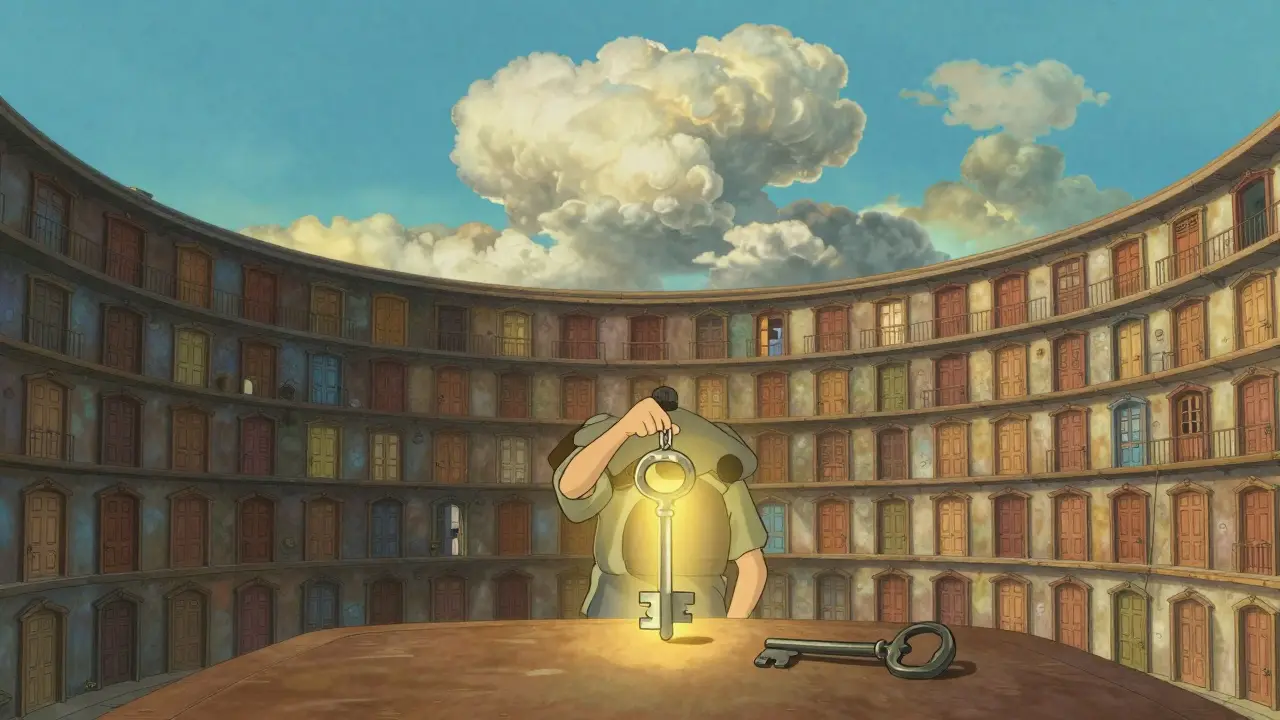
If a private key is a key to one specific room, the seed phrase is the master key that unlocks every room in the house. Using a technology called Hierarchical Deterministic (HD) wallets, a single seed phrase can mathematically derive billions of unique private keys. This means if you lose your phone, you don't need to find 10 different private keys for 10 different coins; you just enter your 12-24 words into a new wallet, and everything is restored instantly.
Side-by-Side: Private Key vs Seed Phrase
The biggest difference comes down to scope. A private key controls one address. A seed phrase controls the entire wallet ecosystem. If a hacker gets a hold of one of your private keys, they can steal the funds from that specific address, but the rest of your wallet remains safe. However, if someone gets your seed phrase, it's game over. They have access to every single account and every single coin linked to that seed.
| Feature | Private Key | Seed Phrase |
|---|---|---|
| Format | Alphanumeric string (Hexadecimal) | 12-24 common English words |
| Scope | Single blockchain address | Entire wallet (multiple addresses) |
| Primary Use | Signing transactions | Wallet recovery and backup |
| Human Readability | Very Low | High |
| Risk Level if Lost | Loss of funds in that address | Loss of all funds in the wallet |
How They Work Together in the Real World
You rarely interact with your private keys directly these days. When you use a wallet like MetaMask or a hardware device like Ledger, the software handles the private keys in the background. When you click "Send," the wallet uses the private key to sign the transaction and broadcast it to the blockchain. You don't see the key; you just see the result.
The seed phrase is your safety net. It is the primary way you move your funds from one device to another. For example, if you upgrade from an old Ledger model to a newer one, you don't export private keys one by one. You simply input your seed phrase into the new device. The Blockchain doesn't actually "store" your seed phrase or your keys; it only stores the public address and the balance. The keys are what prove you are the owner of that balance.
The Danger Zone: Common Security Mistakes
The most common mistake beginners make is storing their seed phrase digitally. Taking a screenshot of your recovery words or saving them in a Note app or email is an invitation for hackers. If your cloud account is breached, your crypto is gone. Because seed phrases are designed to be human-readable, they are incredibly easy for malicious scripts to find during a scan of your files.
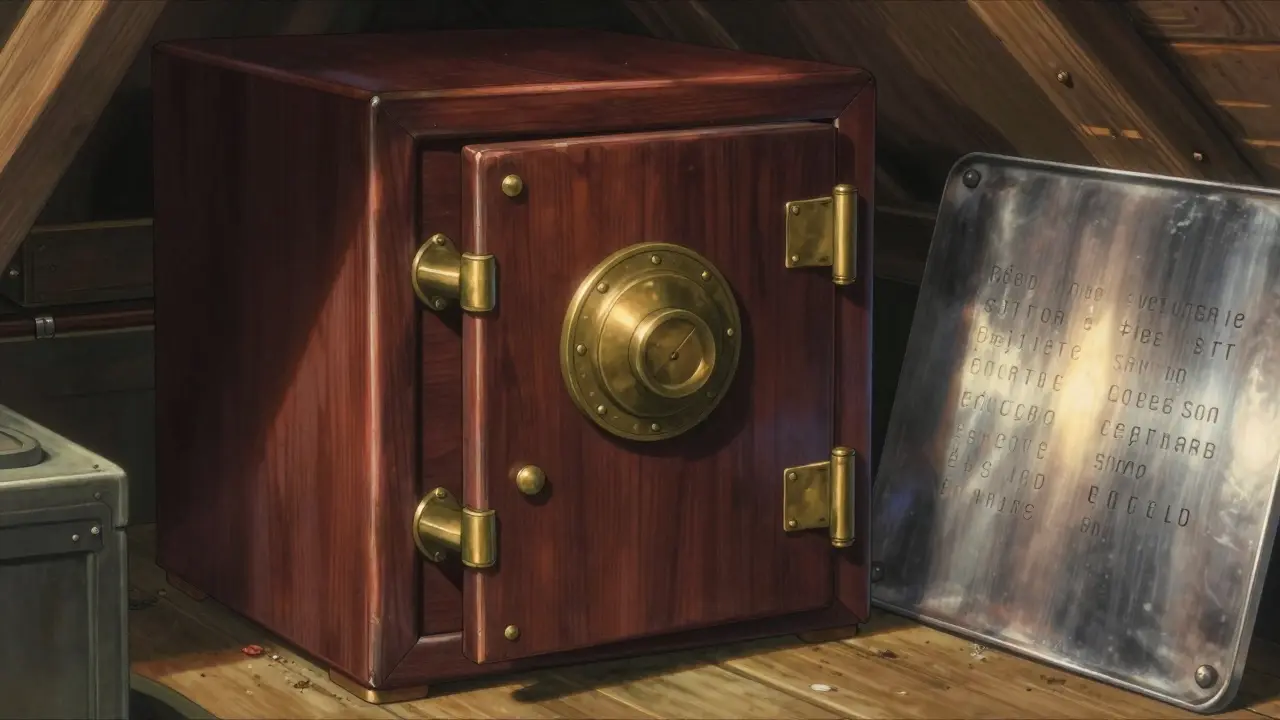
Expert security practitioners recommend "cold storage" for seed phrases. This means writing the words on a piece of paper and locking it in a physical safe. For those worried about fire or water damage, metal backup plates have become the gold standard. These are stainless steel or titanium kits where you engrave or stamp your words, ensuring that even a house fire won't erase your access to your funds.
Another pitfall is trusting "support agents." No legitimate wallet provider, exchange, or developer will ever ask you for your seed phrase or private key. If someone asks for them, they are trying to rob you. Period. These strings are intended to stay offline and away from any one person's eyes except yours.
Which One Should You Focus On?
For 99% of users, the seed phrase is the most important piece of information you own. Since modern wallets are built on the BIP39 standard, your seed phrase is essentially a compressed version of every private key you'll ever need. If you have the seed, you can always regenerate the keys. But if you only have a few private keys and lose the seed, you cannot regenerate the rest of your wallet.
However, advanced users who deal with high-value institutional funds might use a strategy called "splitting the seed." They might use a method where the phrase is divided across multiple physical locations, requiring two or three people to come together to recover the funds. This prevents a single point of failure-either a lost piece of paper or a single rogue employee.
Can I change my seed phrase if I think it was compromised?
No, you cannot "change" a seed phrase for an existing wallet. To secure your funds, you must create a brand new wallet with a new seed phrase and manually transfer all your assets from the old addresses to the new ones. Once the funds are moved, the compromised seed phrase becomes useless.
What happens if I lose my seed phrase but still have my wallet app open?
If you still have access to your wallet app (because you have the PIN or password), you can usually go into the settings and view your seed phrase again. Once you've recovered it, write it down physically immediately. If you delete the app or lose the device before backing up that phrase, your funds are lost forever.
Is a 24-word seed phrase safer than a 12-word one?
Mathematically, yes. A 24-word phrase provides 256 bits of entropy, making it significantly harder to guess or "brute force" than a 12-word phrase, which provides 128 bits. While both are currently considered virtually impossible to crack, the 24-word version offers a higher margin of security for large sums of money.
Can I use my seed phrase in a different wallet app?
Yes, as long as both wallets follow the BIP39 standard. For instance, if you generate a seed phrase on a Trezor hardware wallet, you can typically import that same phrase into MetaMask or Trust Wallet, and all your accounts and balances will appear.
Is a private key the same as a password?
Not exactly. A password typically authenticates you to a service (like an exchange) or unlocks a local file. A private key is a cryptographic tool that allows you to actually move funds on the blockchain. If you lose a password, the company can often reset it. If you lose a private key, there is no "Forgot Password" button on the blockchain.








Deepak Prusty
April 5, 2026 AT 23:47Actually, the distinction between a seed and a private key is basic cryptography 101, but most people treat it like some arcane secret. It is simply the difference between a master derivation key and a child key in an HD wallet structure.
Suvoranjan Mukherjee
April 7, 2026 AT 06:18Spot on! For anyone getting started, just remember that utilizing a hardware wallet with a BIP39 compliant seed is the best way to mitigate the risk of hot wallet exploits. Get that cold storage set up and keep those assets safe! 🚀
Matthew Wright
April 7, 2026 AT 08:30I've seen too many people keep their phrases in a Google Doc... just absolute madness!!! Definitely recommend the steel plates mentioned here, they are a lifesaver for long term holding!!!!
vijendra pal
April 7, 2026 AT 20:48Bro totaly forgot to mention that some wallets use different derivation paths so even with the right seed u might not see ur coins if u use the wrong app!! 😅 Just a heads up for everyone tryin this out 💸
Hugo Lopez
April 8, 2026 AT 16:36This is such a helpful breakdown! It really makes the concept easy to grasp for everyone. Thanks for sharing this 🌟😊
June Coleman
April 8, 2026 AT 21:14Oh sure, because writing a password on a piece of paper and hiding it under a mattress is such a revolutionary high-tech security strategy. Truly cutting edge stuff.
Arlen Medina
April 9, 2026 AT 01:42Listen, the US is basically the only place where people actually get the tech right while the rest of the world is just guessing. This post is a no-brainer, just do what the pros do and stop overthinking it.
Emily 2231
April 9, 2026 AT 23:01The government probably wants you using these standard BIP39 lists so they can implement a backdoor through the word generators. Trust nothing digital and keep your assets off the grid completely
david head
April 10, 2026 AT 15:54totally agree with the steel plates idea 💯 best way to keep it safe
Lauren Gilbert
April 11, 2026 AT 23:26It's quite fascinating when you think about the philosophical implications of a few simple words holding the key to one's entire financial existence in a digital void, and while the technical side is clear, there's a certain poetic fragility in the idea that a house fire or a lost piece of paper can essentially erase your presence from a global ledger, which makes me wonder if we are truly moving toward freedom or just swapping one type of systemic risk for another that is far more personal and unforgiving in its nature, but regardless, the peace of mind that comes from understanding the mechanism is where the real value lies for most of us just trying to navigate this weird new world of decentralized finance.
Robert Coskrey
April 12, 2026 AT 17:05I concur with the author's assessment regarding the risks of digital storage; it is indeed a critical vulnerability that must be addressed with urgency.
Sonya Bowen
April 14, 2026 AT 11:42Stick to a 24-word seed if you are storing significant amounts. It's a small extra step for a lot more security.
Taylor Meadows
April 15, 2026 AT 01:03I can tell most of you are just guessing here. You're all treating this like a hobby, but if you actually understood the weight of these keys, you'd realize how pathetic your current backup methods are. Most of you are just waiting to get hacked because you lack the discipline to actually secure your wealth.