7
BiKing Crypto Exchange Review: Risks, Security Breaches, and Verdict

Choosing a crypto exchange is one of the most critical decisions you will make in your digital asset journey. It is not just about finding low fees or a sleek interface; it is about trusting a platform with your life savings. When we look at BiKing, a platform that has operated since before 2020, the picture that emerges is concerning. Unlike industry giants such as Coinbase or Kraken, which operate under strict regulatory oversight, BiKing exists in the shadows of the unregulated market.
This review cuts through the noise to examine whether BiKing is a viable option for traders in 2026 or if it poses too many risks to ignore. We will look at its history of security breaches, its questionable trading practices, and what this means for your funds.
The Core Problem: Lack of Regulation
The single biggest red flag regarding BiKing is its regulatory status. In the world of finance, regulation acts as a safety net. If something goes wrong, there are authorities like the Securities and Exchange Commission (SEC) in the US or the Financial Conduct Authority (FCA) in the UK that can intervene. BiKing operates without these licenses.
This lack of oversight means two things. First, there is no guarantee that the exchange actually holds the assets they claim to hold. Second, if you lose money due to fraud or negligence, you have no legal recourse. Regulated exchanges are required to follow strict compliance rules, including anti-money laundering (AML) checks and know-your-customer (KYC) procedures. While these steps might feel intrusive, they protect the integrity of the financial system. BiKing’s absence from these frameworks places it in a high-risk category that most experienced investors avoid.
A History of Security Breaches
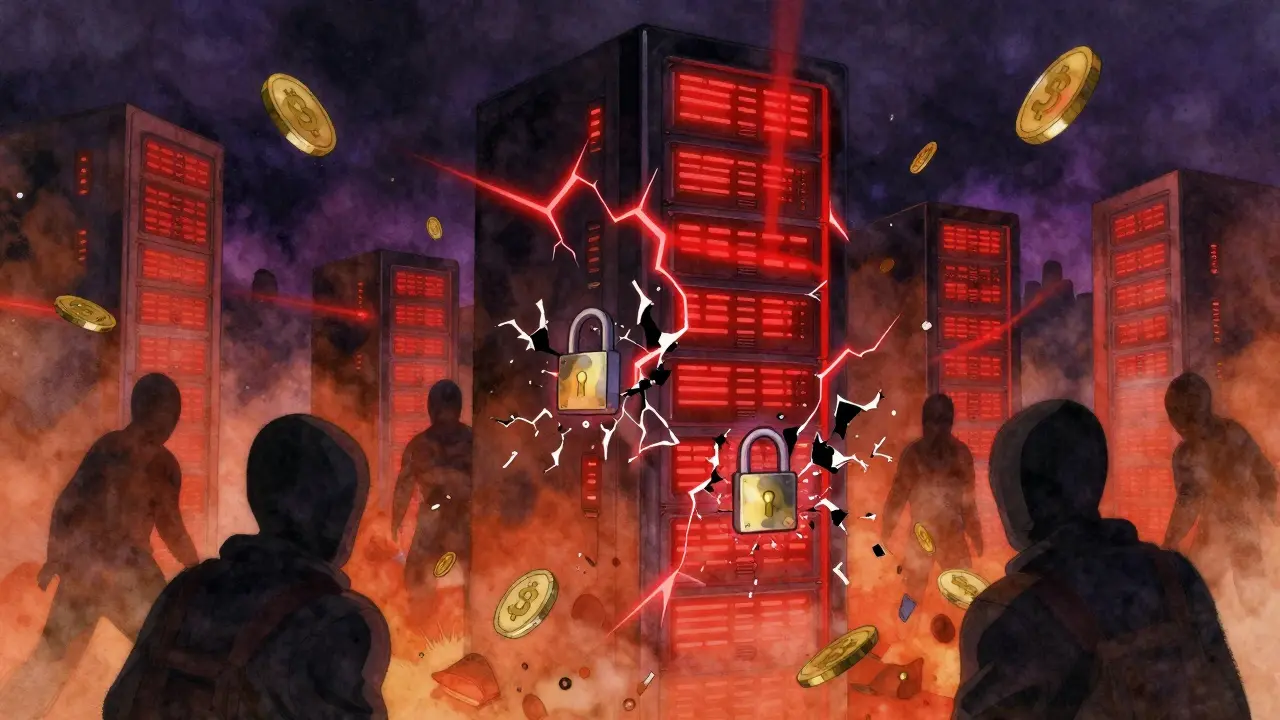
Security is not a feature you can add later; it must be built into the foundation. Unfortunately, BiKing’s foundation has cracked more than once. According to reports documented by WikiBit in 2023, the platform suffered significant security failures in both 2020 and 2021. These were not minor glitches. Hackers exploited weaknesses in the platform’s SMS-based two-factor authentication (2FA) and API keys, resulting in the theft of over $8 million worth of user funds.
To put this in perspective, the industry standard for security involves multi-layered protection. Leading exchanges use hardware security keys, authenticator apps, and cold storage solutions where the majority of funds are kept offline. BiKing’s reliance on SMS 2FA-a method widely considered vulnerable to SIM-swapping attacks-demonstrates a fundamental misunderstanding of modern cybersecurity threats. As noted by security experts at Krayon Digital, the broader industry saw hackers steal $2.38 billion in crypto in 2023 alone. Platforms that do not implement robust defenses become easy targets.
| Feature | BiKing | Regulated Exchanges (e.g., Coinbase, Kraken) |
|---|---|---|
| Regulatory Oversight | None (Unregulated) | Licensed by SEC, FCA, etc. |
| Two-Factor Authentication | SMS-based (Vulnerable) | Authenticator Apps / Hardware Keys |
| User Fund Insurance | No known insurance fund | Custodial Insurance / SAFU Funds |
| Security Audit Frequency | Irregular / Reactive | Regular Third-Party Audits |
| Withdrawal Protections | Limited | Address Whitelisting / Time Delays |
Questionable Trading Practices
Beyond security, there are serious concerns about the integrity of the trading environment on BiKing. In 2021, analyses suggested that the platform exhibited signs of "wash trading." This is a practice where an exchange artificially inflates its trading volume by buying and selling assets to itself. Why does this matter? Because high trading volume is often used as a metric to determine liquidity and trustworthiness. If the volume is fake, the data is misleading.
While BiKing strongly denied these accusations, the allegation itself is damaging. Regulated exchanges cannot engage in wash trading because it violates securities laws. For a trader, this creates an uneven playing field. You might think you are trading against real market participants, but you could be interacting with bots controlled by the exchange. This undermines the very purpose of a free market.
High Leverage and Risk for Novices
BiKing offers high leverage margin trading, allowing users to borrow funds to increase their position size. On paper, this sounds attractive. If you predict correctly, your profits multiply. However, leverage also multiplies your losses. For novice traders, this is a recipe for disaster.
WikiBit’s analysis explicitly states that BiKing is unsuitable for new traders due to these features. Without proper risk management tools and educational resources, inexperienced users can wipe out their accounts in minutes. Furthermore, the platform supports a diverse selection of cryptocurrencies, including privacy coins like Monero and Dash. However, even this offering was inconsistent. In 2023, BiKing suddenly delisted these assets under regulatory pressure, angering supporters and highlighting the platform’s reactive approach to compliance rather than a proactive strategy.

Why Regulated Alternatives Are Safer
When comparing BiKing to established players, the difference in reliability is stark. Consider Binance, which maintains a Secure Asset Fund for Users (SAFU) to protect against emergency losses. Or Coinbase, which lists its holdings publicly and undergoes regular audits. These platforms invest heavily in security infrastructure, including intrusion detection systems and DDoS protection.
BiKing lacks these safeguards. There is no evidence of custodial insurance policies or advanced encryption standards being consistently applied. In an industry where Chainalysis reports that automated transaction monitoring is becoming mandatory for legitimate businesses, BiKing’s operations appear outdated and risky. The global cryptocurrency exchange market is growing, projected to reach $26.62 billion by 2030, but this growth is concentrated among compliant platforms. Unregulated exchanges like BiKing are increasingly marginalized as governments tighten oversight.
Practical Advice for Users
If you are considering using BiKing despite these warnings, you must take extreme precautions. Do not store long-term holdings on the exchange. Use a cold wallet, such as a Ledger or Trezor device, to store your private keys offline. Enable every available security feature, including whitelisting withdrawal addresses if possible. Use a strong, unique password and consider using a VPN to mask your IP address.
However, the best advice is simple: avoid the platform altogether. The combination of past hacks, lack of regulation, and alleged wash trading creates a perfect storm of risk. Your capital is safer on regulated exchanges that prioritize transparency and user protection. The convenience of mobile accessibility or high leverage is not worth the potential loss of your entire investment.
Is BiKing a safe exchange for beginners?
No, BiKing is not safe for beginners. The platform offers high leverage trading, which significantly increases the risk of losing funds. Additionally, its history of security breaches and lack of regulatory oversight make it unsuitable for those who do not have advanced knowledge of cryptocurrency security practices.
Has BiKing been hacked?
Yes, BiKing has suffered multiple security breaches. Reports indicate that in 2020 and 2021, hackers exploited vulnerabilities in SMS 2FA and API keys to steal over $8 million worth of user funds. These incidents highlight serious flaws in the platform's security infrastructure.
Is BiKing regulated?
No, BiKing operates without formal regulatory oversight. Unlike major exchanges such as Coinbase or Kraken, which are licensed by authorities like the SEC or FCA, BiKing functions in the unregulated segment of the market. This means users have no legal protection if funds are lost or stolen.
What is wash trading, and did BiKing do it?
Wash trading is the practice of artificially inflating trading volume by buying and selling assets to oneself. In 2021, analyses suggested BiKing exhibited signs of wash trading. While the exchange denied these accusations, the allegations raise concerns about the authenticity of its trading data and liquidity.
Should I keep my crypto on BiKing?
It is highly recommended not to keep long-term holdings on BiKing. Due to its security history and lack of insurance funds, users should transfer their assets to a personal cold wallet or a regulated exchange with robust security measures and custodial insurance.