Iran Bitcoin Mining: How Sanctions, VPNs, and Energy Shape Crypto Mining in Iran
When you think of Iran Bitcoin mining, the practice of using specialized hardware to validate Bitcoin transactions and earn rewards within Iran’s unique regulatory and economic environment. Also known as crypto mining in sanctioned economies, it’s one of the few places where mining isn’t just a tech hobby—it’s a survival strategy. While most countries crack down on crypto, Iran quietly became one of the world’s top mining hubs. Why? Because electricity is cheap, the government tolerates it, and people need income after years of economic pressure.
It’s not just about power bills. Iran sanctions, international financial restrictions that limit access to global banking and payment systems forced Iranians to find ways to move value outside the traditional system. Bitcoin mining gave them a way to earn hard currency—dollars or euros—without touching banks. And since most mining rigs run on state-subsidized electricity (as low as $0.01 per kWh in some areas), the profit margins are brutal compared to the U.S. or Europe. But it’s not risk-free. VPN crypto Iran, the use of virtual private networks to bypass internet restrictions and access global crypto platforms is common, but authorities are getting better at detecting them. Traders who use VPNs to access exchanges like Binance or Bybit risk account freezes or worse. Some miners even get caught with unregistered rigs and face fines or confiscation.
What makes Iran’s case different from other mining countries isn’t just the price of electricity—it’s the tension between state control and grassroots innovation. The government doesn’t officially endorse crypto, but it doesn’t stop it either. In fact, they’ve even tried to redirect mining power toward state-run projects. Meanwhile, everyday Iranians are running rigs in basements, garages, and even apartment buildings, turning their homes into mini data centers. It’s not glamorous, but it pays. And with global hash rates rising and Bitcoin’s next halving approaching, Iran’s role in the network is only growing.
What you’ll find in the posts below isn’t just theory—it’s real-world insight. From how to spot a fake mining setup in Tehran to why some Iranian miners switched to Ethereum before the merge, these guides cut through the noise. You’ll see how local exchanges like Nobitex operate under pressure, how miners adapt when the grid goes down, and why some are now exploring solar-powered rigs to stay off the grid entirely. This isn’t about speculation. It’s about survival, adaptation, and the quiet power of decentralized tech in a restricted world.
9
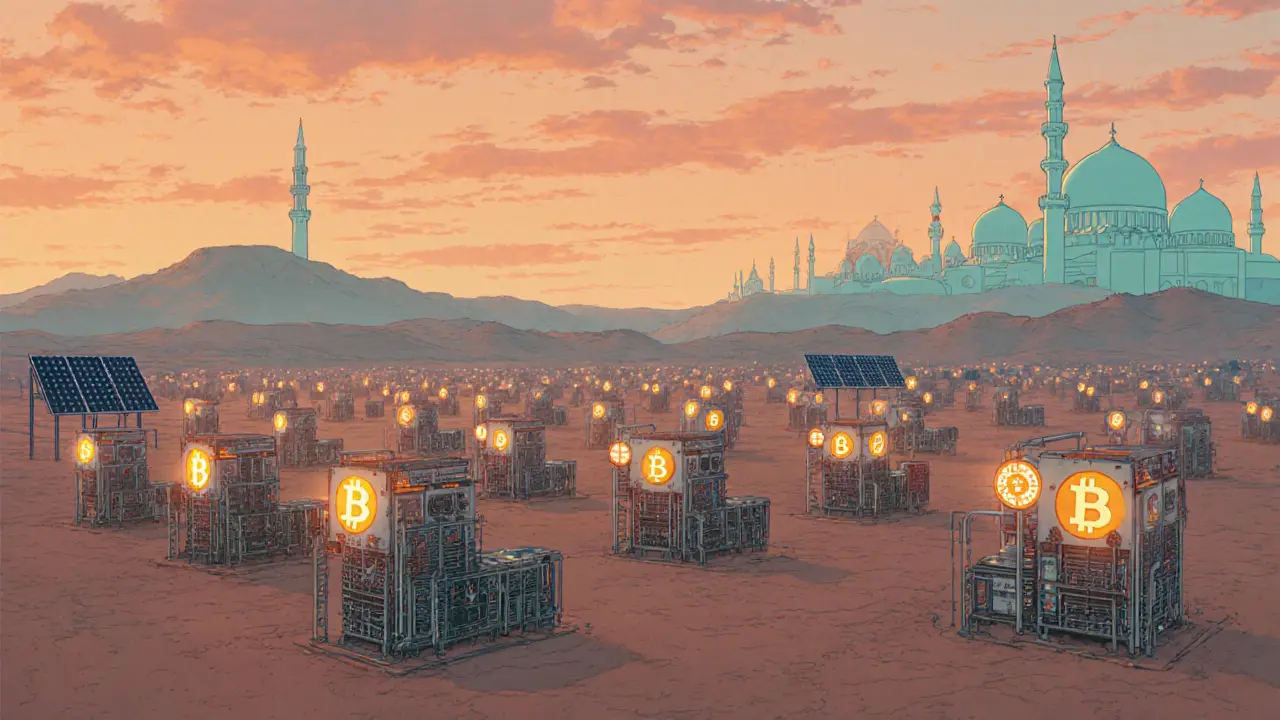
How Iran Uses Bitcoin Mining to Bypass International Sanctions
Iran uses its cheap energy and state-backed infrastructure to mine Bitcoin at scale, bypassing international sanctions by converting electricity into hard currency without relying on Western banks or payment systems.
Latest Posts



Popular Posts
-
 Airdrop Strategies for Crypto Projects: A Practical Guide to Execution
-
 QuickSwap v3 (Polygon zkEVM) Review: Fees, Liquidity & Safety in 2026
-
 NOWPayments vs TxNod: Crypto Billing for Indie Developers Compared
-
 Alt 5 Pro Crypto Exchange Review: Is It a Scam or Misunderstood?
-
 Canadian Crypto Exchange Licensing: FINTRAC, CSA Rules & Costs